
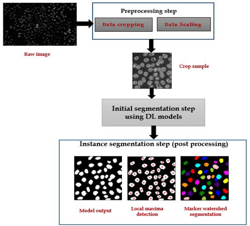
A comparative study for nuclei segmentation using latest deep learning optimizers
Nuclei segmentation is a critical task in biological image analysis, with numerous applications in cancer diagnosis, grading, staging, and treatment planning. However, this task is challenging, particularly when dealing with low-resolution and low signal-to-noise ratio microscopy images. Segmentation problems arise, such as touching and missing cells, which make the process even more challenging. Deep learning models, including Attention U-Net and TransUNet, have demonstrated exceptional performance in medical image segmentation. Nonetheless, the choice of optimizer can significantly impact

Hands-on analysis of using large language models for the auto evaluation of programming assignments
The increasing adoption of programming education necessitates efficient and accurate methods for evaluating students’ coding assignments. Traditional manual grading is time-consuming, often inconsistent, and prone to subjective biases. This paper explores the application of large language models (LLMs) for the automated evaluation of programming assignments. LLMs can use advanced natural language processing capabilities to assess code quality, functionality, and adherence to best practices, providing detailed feedback and grades. We demonstrate the effectiveness of LLMs through experiments
Transcriptomic marker screening for evaluating the mortality rate of pediatric sepsis based on Henry gas solubility optimization
Sepsis is a potentially life-threatening medical condition that increases mortality in pediatric populations admitted in the intensive care unit (ICU). Due to the unpredictable nature of the disease course, it was challenging to find the informative genetic biomarkers at the earliest stages. Consequently, a considerable attention has been paid for the early prediction of pediatric sepsis based on genetic biomarkers analysis that would promote the early medical intervention. Therefore, the proposed study attempted to demonstrate the feasibility of Henry Gas Solubility Optimization (HGSO) in
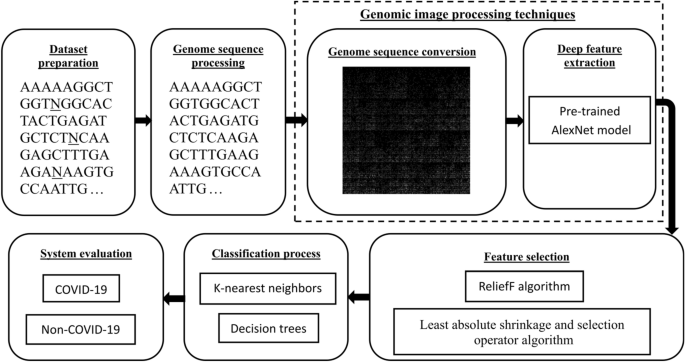
A hybrid deep learning approach for COVID-19 detection based on genomic image processing techniques
The coronavirus disease 2019 (COVID-19) pandemic has been spreading quickly, threatening the public health system. Consequently, positive COVID-19 cases must be rapidly detected and treated. Automatic detection systems are essential for controlling the COVID-19 pandemic. Molecular techniques and medical imaging scans are among the most effective approaches for detecting COVID-19. Although these approaches are crucial for controlling the COVID-19 pandemic, they have certain limitations. This study proposes an effective hybrid approach based on genomic image processing (GIP) techniques to
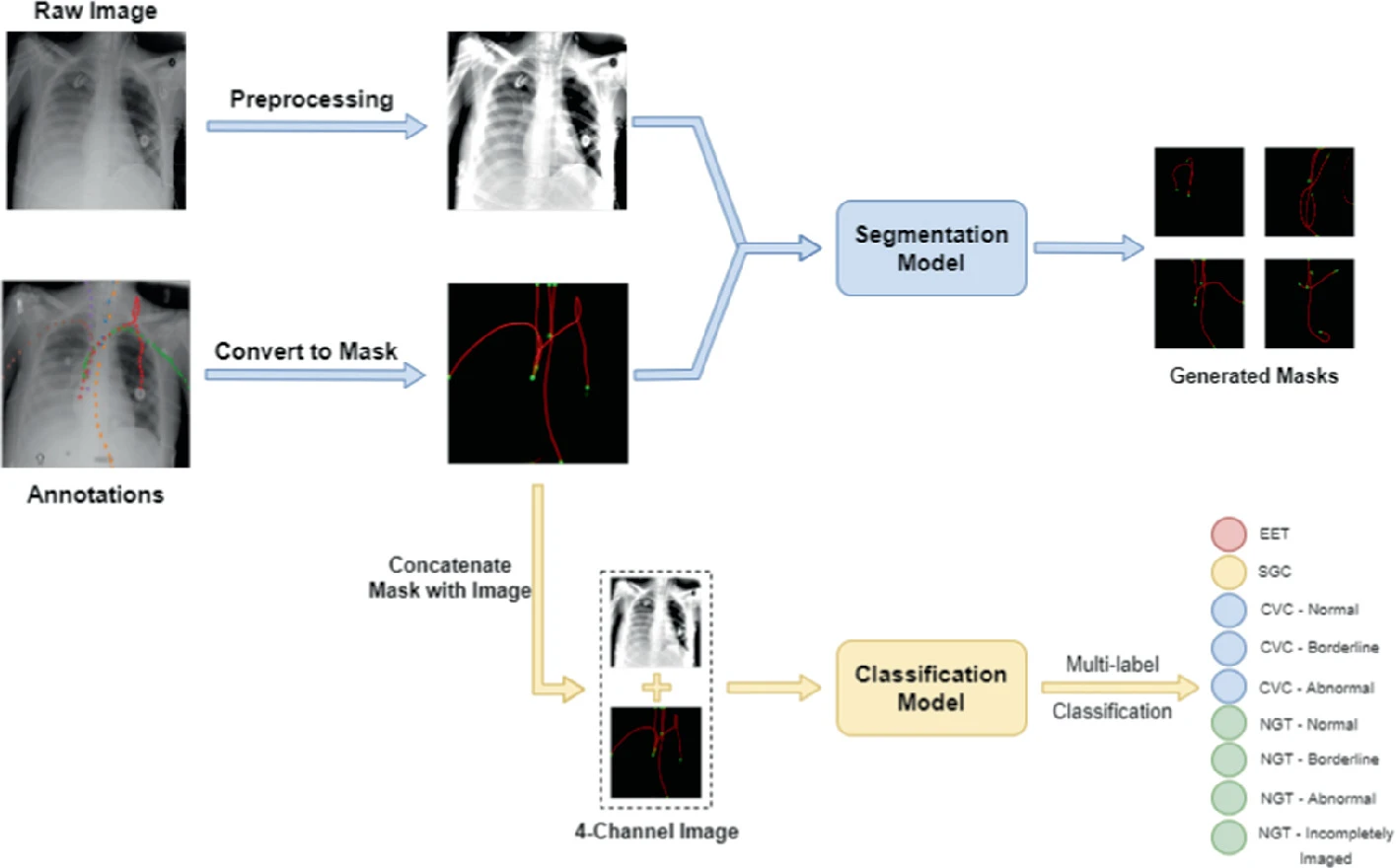
Efficient Pipeline for Rapid Detection of Catheters and Tubes in Chest Radiographs
Catheters are life support devices. Human expertise is often required for the analysis of X-rays in order to achieve the best positioning without misplacement complications. Many hospitals in underprivileged regions around the world lack the sufficient radiology expertise to frequently process X-rays for patients with catheters and tubes. This deficiency may lead to infections, thrombosis, and bleeding due to misplacement of catheters. In the last 2 decades, deep learning has provided solutions to various problems including medical imaging challenges. So instead of depending solely on
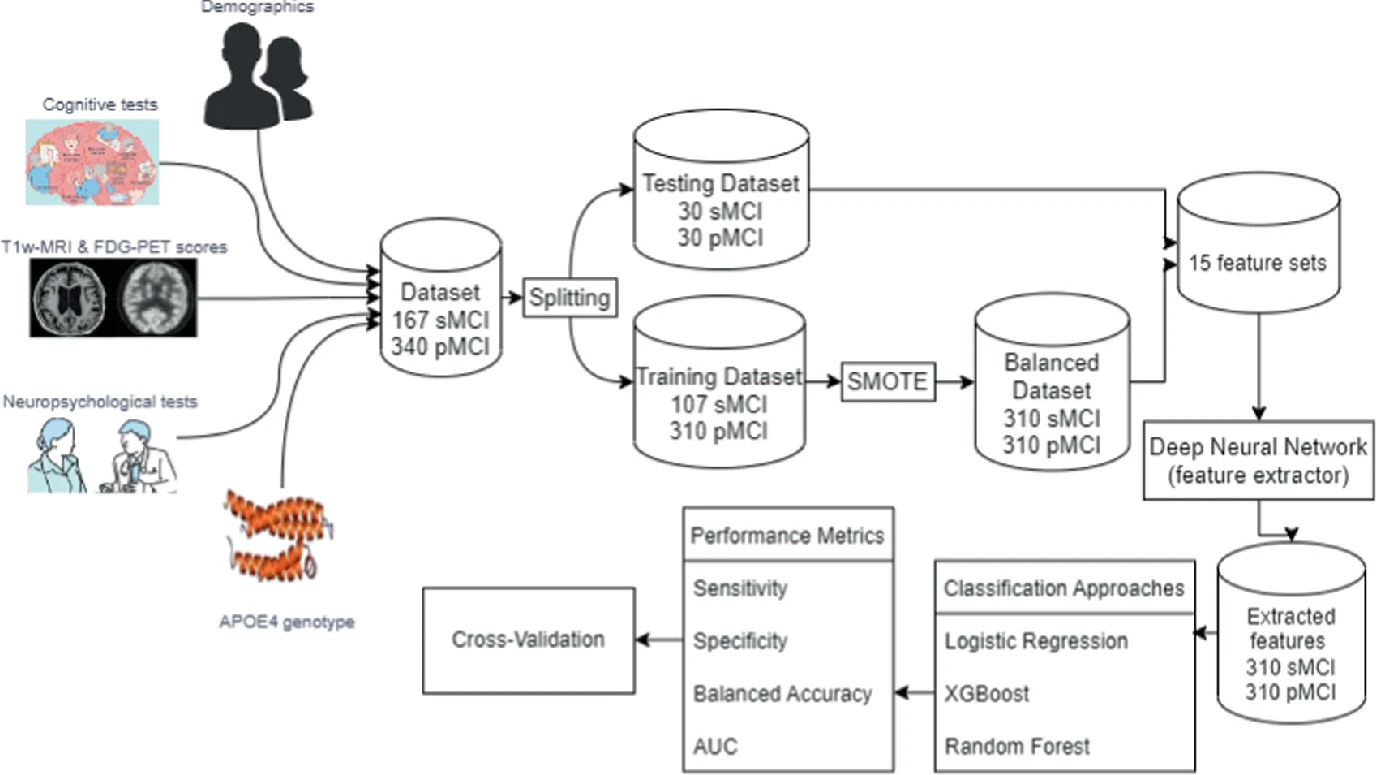
A Novel Diagnostic Model for Early Detection of Alzheimer’s Disease Based on Clinical and Neuroimaging Features
Alzheimer’s Disease (AD) is a dangerous disease that is known for its characteristics of eroding memory and destroying the brain. The classification of Alzheimer's disease is an important topic that has recently been addressed by many studies using Machine Learning (ML) and Deep Learning (DL) methods. Most research papers tackling early diagnosis of AD use these methods as a feature extractor for neuroimaging data. In our research paper, the proposed algorithm is to optimize the performance of the prediction of early diagnosis from the multimodal dataset by a multi-step framework that uses a

Differentiation Between Normal and Abnormal Functional Brain Connectivity Using Non-directed Model-Based Approach
Brain Connectivity refers to networks of functional and anatomical connections found throughout the brain. Multiple neural populations are connected by intricate connectivity circuits and interact with one another to exchange information, synchronize their activity, and participate in the accomplishment of complex cognitive tasks. Issues about how various brain regions contribute to cognition and their reciprocal roles have drawn the attention of researchers since the beginning of neuroscience. The interest in brain connection estimation has grown significantly due to the advancement of
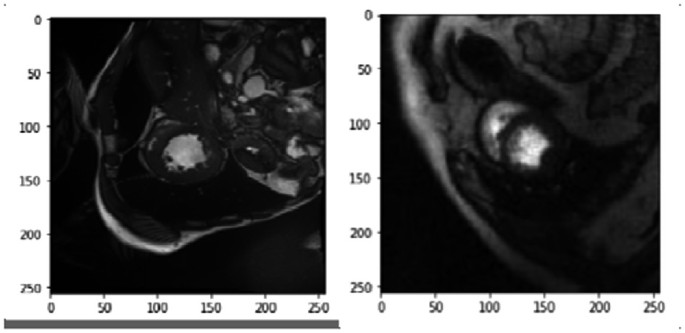
Transfer Learning in Segmenting Myocardium Perfusion Images
Cardiac magnetic resonance perfusion (CMRP) images are used to assess the local function and permeability of the heart muscle. The perfusion analysis requires the segmentation of cardiac inner and outer walls of the left ventricle (LV). However, the available perfusion datasets are limited or have no annotations. A fair dataset was annotated to employ the latest and most effective Deep Learning (DL) methodologies. In this paper, we employ similar cardiac imaging protocols in terms of cardiac geometry by initially training using CINE images and performing domain adaptation to CMRP images using
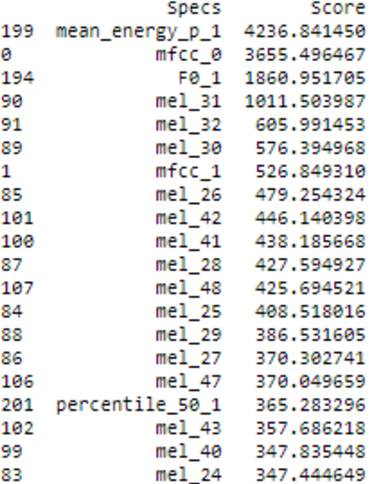
Arabic English Speech Emotion Recognition System
The Speech Emotion Recognition (SER) system is an approach to identify individuals' emotions. This is important for human-machine interface applications and for the emerging Metaverse. This work presents a bilingual Arabic-English speech emotion recognition system based on EYASE and RAVDESS datasets. A novel feature set was composed by using spectral and prosodic parameters to obtain high performance at a low computational cost. Different classification models were applied. These machine learning classifiers are Random Forest, Support Vector Machine, Logistic Regression, Multi-Layer Perceptron
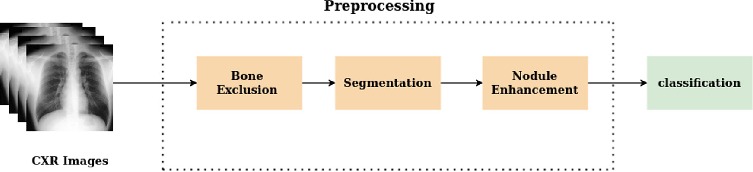
A CAD System for Lung Cancer Detection Using Chest X-ray: A Review
For many years, lung cancer has been ranked among the deadliest illnesses in the world. Therefore, it must be anticipated and detected at an early stage. We need to build a computer-aided diagnosis (CAD) system to help physicians to provide better treatment. In this study, the whole pipeline and the process of the CAD system for lung cancer detection in Chest X-ray are provided. It demonstrates the limitations and the problems facing lung cancer detection. New work is highlighted to be explored by the researchers in this area. Existing studies in the field are reviewed, including their