
Filter by
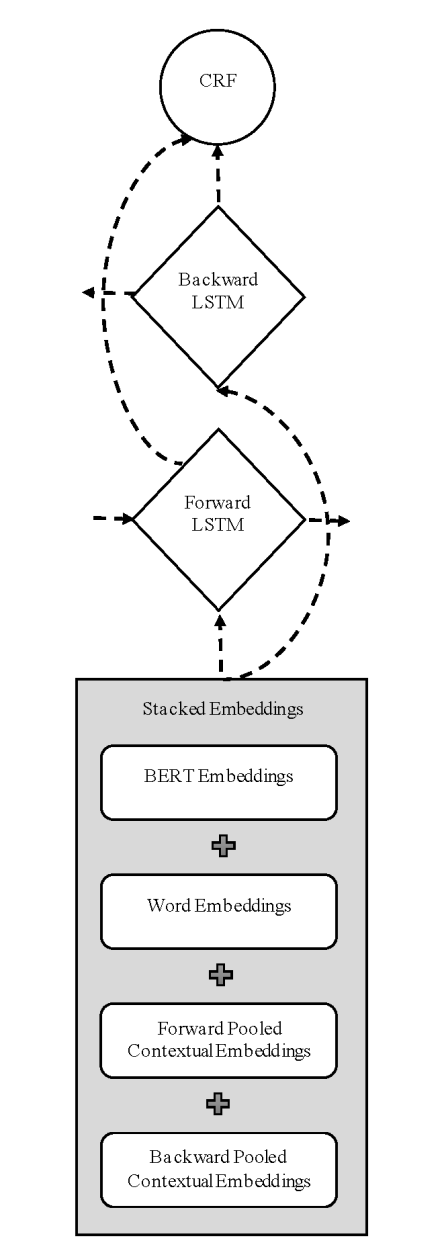
A Multi-Embeddings Approach Coupled with Deep Learning for Arabic Named Entity Recognition
Named Entity Recognition (NER) is an important task in many natural language processing applications. There are several studies that have focused on NER for the English language. However, there are some limitations when applying the current methodologies directly on the Arabic language text. Recent studies have shown the effectiveness of pooled contextual embedding representations and significant
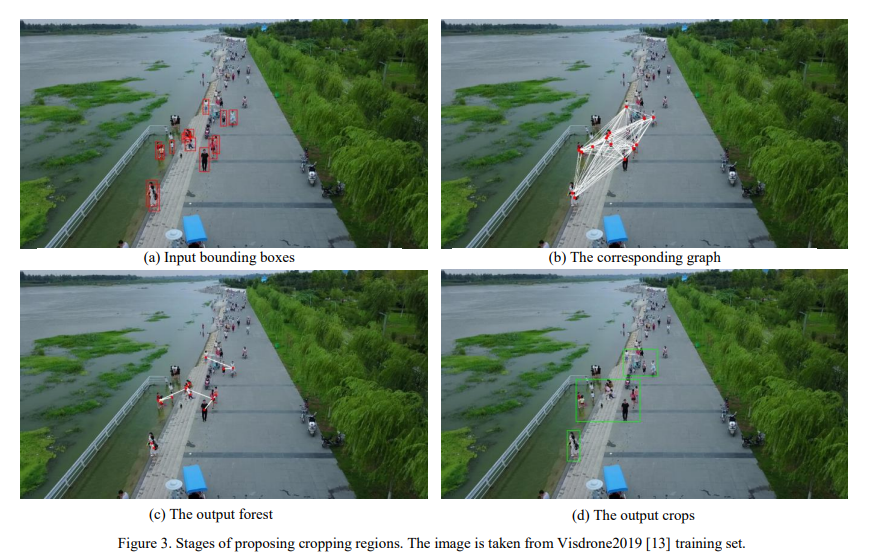
Robust real-time pedestrian detection on embedded devices
Detection of pedestrians on embedded devices, such as those on-board of robots and drones, has many applications including road intersection monitoring, security, crowd monitoring and surveillance, to name a few. However, the problem can be challenging due to continuously-changing camera viewpoint and varying object appearances as well as the need for lightweight algorithms suitable for embedded
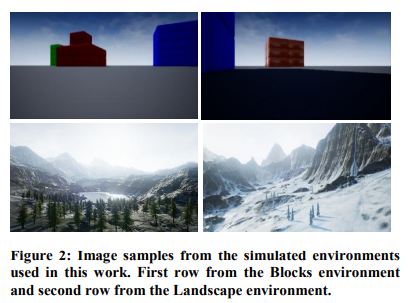
Deep convolutional neural network based autonomous drone navigation
This paper presents a novel approach for aerial drone autonomous navigation along predetermined paths using only visual input form an onboard camera and without reliance on a Global Positioning System (GPS). It is based on using a deep Convolutional Neural Network (CNN) combined with a regressor to output the drone steering commands. Furthermore, multiple auxiliary navigation paths that form a â€n
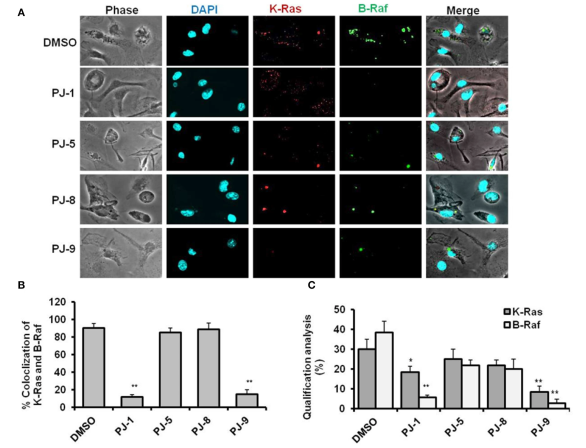
Selective Regulation of B-Raf Dependent K-Ras/Mitogen-Activated Protein by Natural Occurring Multi-kinase Inhibitors in Cancer Cells
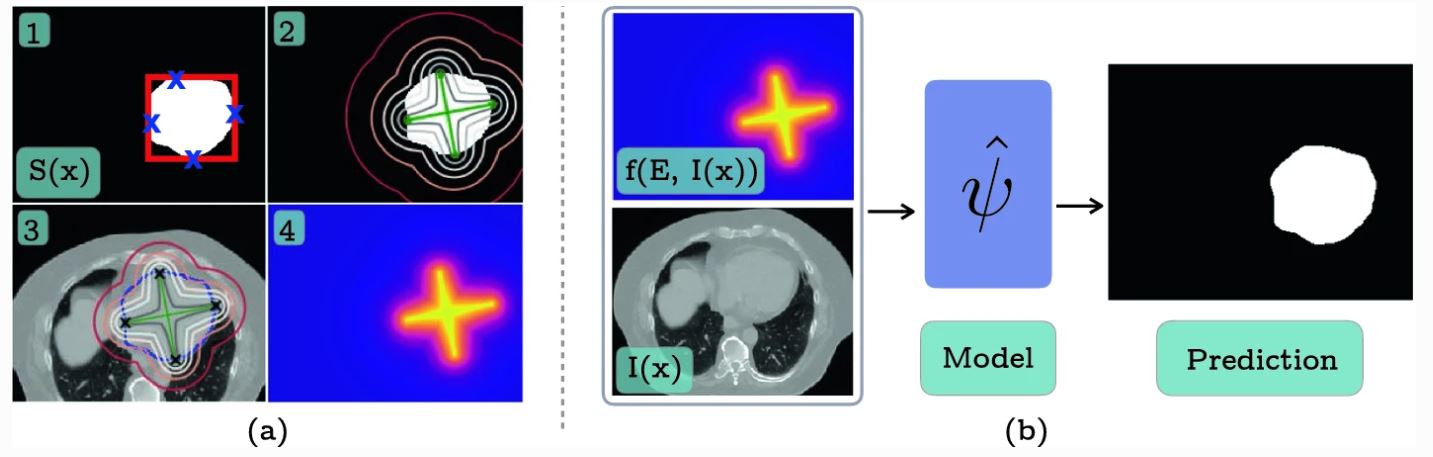
Extreme Points Derived Confidence Map as a Cue for Class-Agnostic Interactive Segmentation Using Deep Neural Network
To automate the process of segmenting an anatomy of interest, we can learn a model from previously annotated data. The learning-based approach uses annotations to train a model that tries to emulate the expert labeling on a new data set. While tremendous progress has been made using such approaches, labeling of medical images remains a time-consuming and expensive task. In this paper, we evaluate
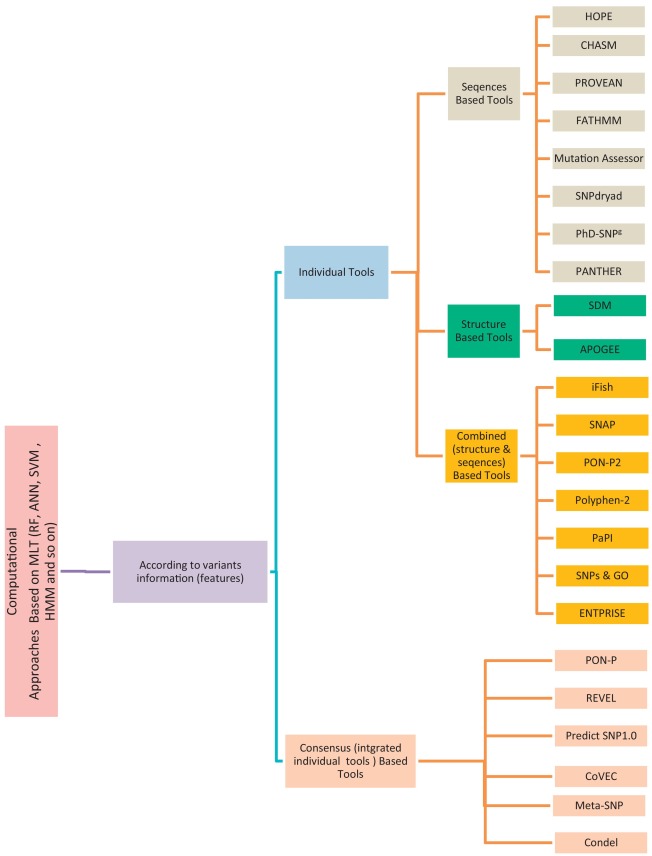
A review study: Computational techniques for expecting the impact of non-synonymous single nucleotide variants in human diseases
Non-Synonymous Single-Nucleotide Variants (nsSNVs) and mutations can create a diversity effect on proteins as changing genotype and phenotype, which interrupts its stability. The alterations in the protein stability may cause diseases like cancer. Discovering of nsSNVs and mutations can be a useful tool for diagnosing the disease at a beginning stage. Many studies introduced the various predicting

Automated Cell-Type Classification and Death-Detection of Spinal Motoneurons
Spinal motoneurons (MNs) play a crucial role in movement control. Decoding the firing activity of spinal MNs could help in real-life challenges, such as enhancing the control of myoelectric prostheses and diagnosing neurodegenerative diseases. In this paper, we propose a machine learning approach to automatically classify MNs based on their firing activity. Applying the proposed approach to data
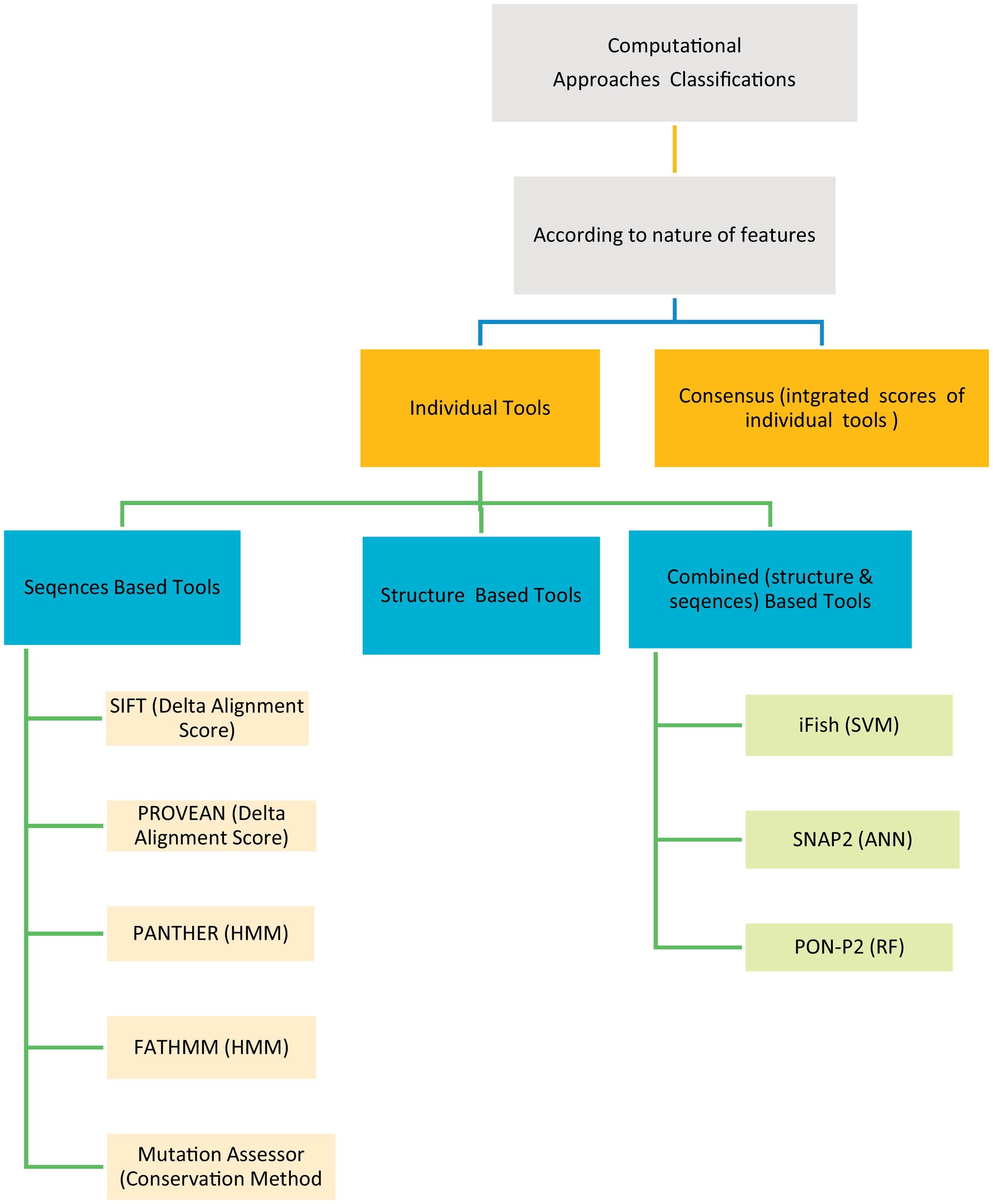
Evaluation of computational techniques for predicting non-synonymous single nucleotide variants pathogenicity
The human genetic diseases associated with many factors, one of these factors is the non-synonymous Single Nucleotide Variants (nsSNVs) cause single amino acid change with another resulting in protein function change leading to disease. Many computational techniques have been released to expect the impacts of amino acid alteration on protein function and classify mutations as pathogenic or neutral
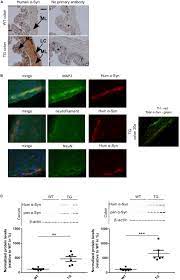
Enriched environmental conditions modify the gut microbiome composition and fecal markers of inflammation in parkinson’s disease
Recent findings suggest an implication of the gut microbiome in Parkinson’s disease (PD) patients. PD onset and progression has also been linked with various environmental factors such as physical activity, exposure to pesticides, head injury, nicotine, and dietary factors. In this study, we used a mouse model, overexpressing the complete human SNCA gene (SNCA-TG mice) modeling familial and
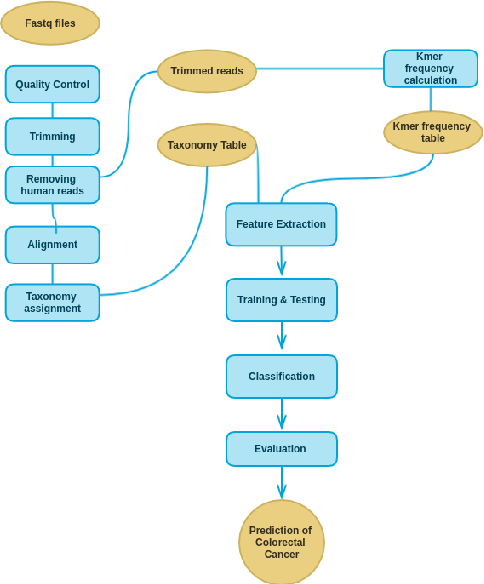
A Hybrid Machine Learning Approach for the Phenotypic Classification of Metagenomic Colon Cancer Reads Based on Kmer Frequency and Biomarker Profiling
Human Microbiome plays a critical role in health and the environment. Colorectal cancer (CRC) is the most common cause of death in many countries, and hence early diagnosis of CRC may help in increasing the survival rate. Tracking changes in the microbiome structure of human gut opens new gates towards the detection and prediction of the risk of CRC. Recently, machine learning became a powerful