
Myocardium segmentation in strain-encoded (SENC) magnetic resonance images using graph-cuts
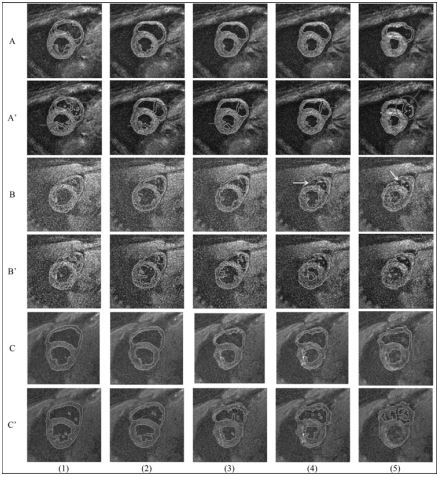
Myocardial segmentation using contour-constrained optical flow tracking
Despite the important role of object tracking using the Optical Flow (OF) in computer graphics applications, it has a limited role in segmenting speckle-free medical images such as magnetic resonance images of the heart. In this work, we propose a novel solution of the OF equation that allows incorporating additional constraints of the shape of the segmented object. We formulate a cost function that include the OF constraint in addition to myocardial contour properties such as smoothness and elasticity. The method is totally different from the common naïve combination of OF estimation within
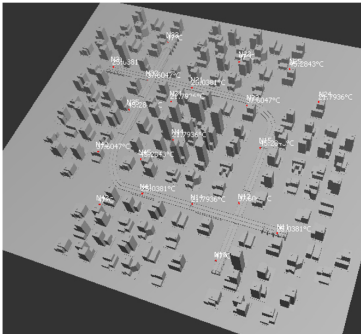
Interactive 3D visualization for wireless sensor networks
Wireless sensor networks open up a new realm of ubiquitous computing applications based on distributed large-scale data collection by embedded sensor nodes that are wirelessly connected and seamlessly integrated within the environment. 3D visualization of sensory data is a challenging issue, however, due to the large number of sensors used in typical deployments, continuous data streams, and constantly varying network topology. This paper describes a practical approach for interactive 3D visualization of wireless sensor network data. A regular 3D grid is reconstructed using scattered sensor
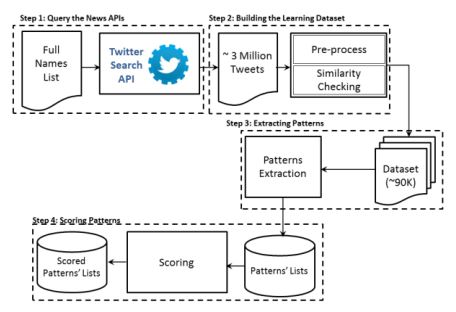
Named entity recognition of persons' names in Arabic tweets
The rise in Arabic usage within various socialmedia platforms, and notably in Twitter, has led to a growing interest in building ArabicNatural Language Processing (NLP) applications capable of dealing with informal colloquialArabic, as it is the most commonly used form of Arabic in social media. The uniquecharacteristics of the Arabic language make the extraction of Arabic named entities achallenging task, to which, the nature of tweets adds new dimensions. The majority ofprevious research done on Arabic NER focused on extracting entities from the formallanguage, namely Modern Standard Arabic
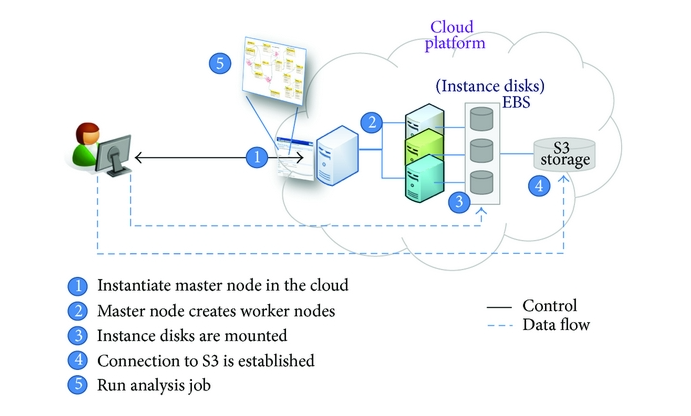
Streaming support for data intensive cloud-based sequence analysis
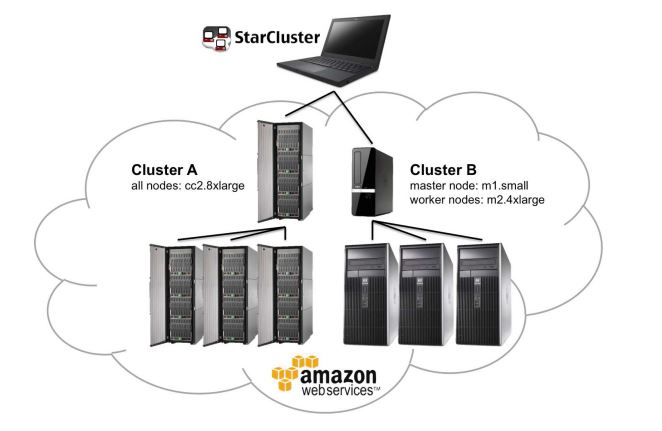
New governance framework to secure cloud computing
Cloud computing is enabling proper, on-demand network access to a shared pool of computing resources that is elastic in reserve and release with minimal interaction from cloud service provider. As cloud gains maturity, cloud service providers are becoming more competitive, which increase the percentage of cloud adoption. But security remains the most cited challenge in Cloud. So, while we are progressing in cloud adoption, we have to define key elements of our cloud strategy and governance. Governance is about applying policies relating to used services. Therefore, it has to include the
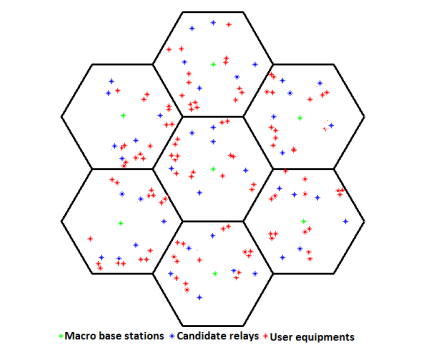
Towards Efficient Online Topic Detection through Automated Bursty Feature Detection from Arabic Twitter Streams
Detecting trending topics or events from Twitter is an active research area. The first step in detecting such topics focuses on efficiently capturing textual features that exhibit an unusual high rate of appearance during a specific timeframe. Previous work in this area has resulted in coining the term "detecting bursty features" to refer to this step. In this paper, TFIDF, entropy, and stream chunking are adapted to investigate a new technique for detecting bursty features from an Arabic Twitter stream. Experimental results comparing bursty features extracted from Twitter streams, to Twitter
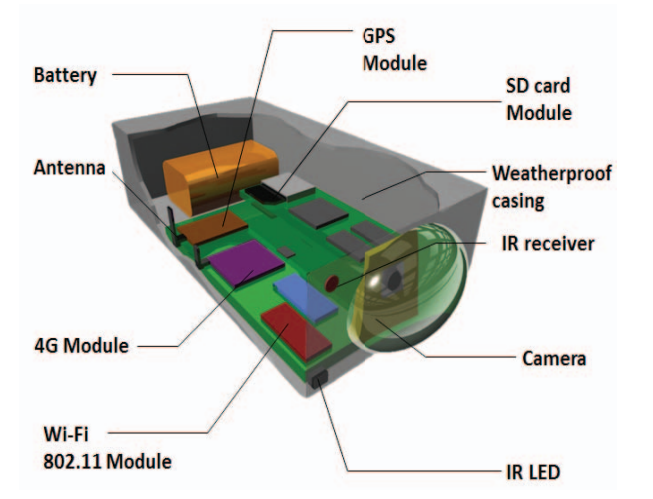
Traffisense: A smart integrated visual sensing system for traffic monitoring
Intelligent camera systems provide an effective solution for road traffic monitoring with traffic stream characteristics, such as volumes and densities, continuously computed and relayed to control stations. However, developing a functional vision-based traffic monitoring system is a complex task that entails the creation of appropriate visual sensing platforms with on-board visual analytics algorithms, integration of versatile technologies for data provision and stream management, and development of data visualization techniques suitable for end-users. This paper describes TraffiSense, a

MC-GenomeKey: A multicloud system for the detection and annotation of genomic variants
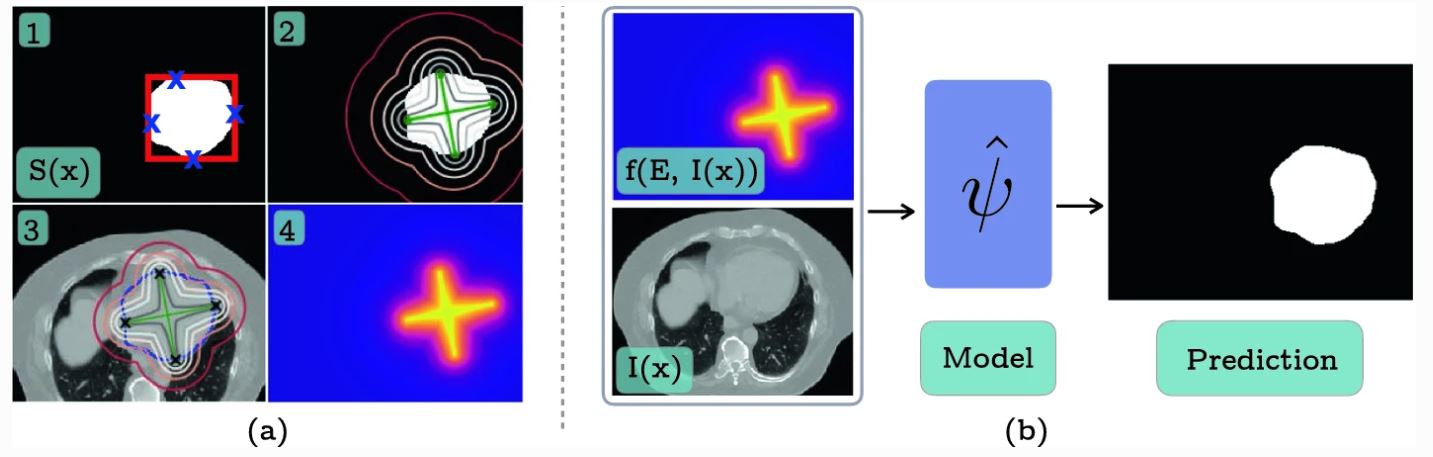
Extreme Points Derived Confidence Map as a Cue for Class-Agnostic Interactive Segmentation Using Deep Neural Network
To automate the process of segmenting an anatomy of interest, we can learn a model from previously annotated data. The learning-based approach uses annotations to train a model that tries to emulate the expert labeling on a new data set. While tremendous progress has been made using such approaches, labeling of medical images remains a time-consuming and expensive task. In this paper, we evaluate the utility of extreme points in learning to segment. Specifically, we propose a novel approach to compute a confidence map from extreme points that quantitatively encodes the priors derived from