
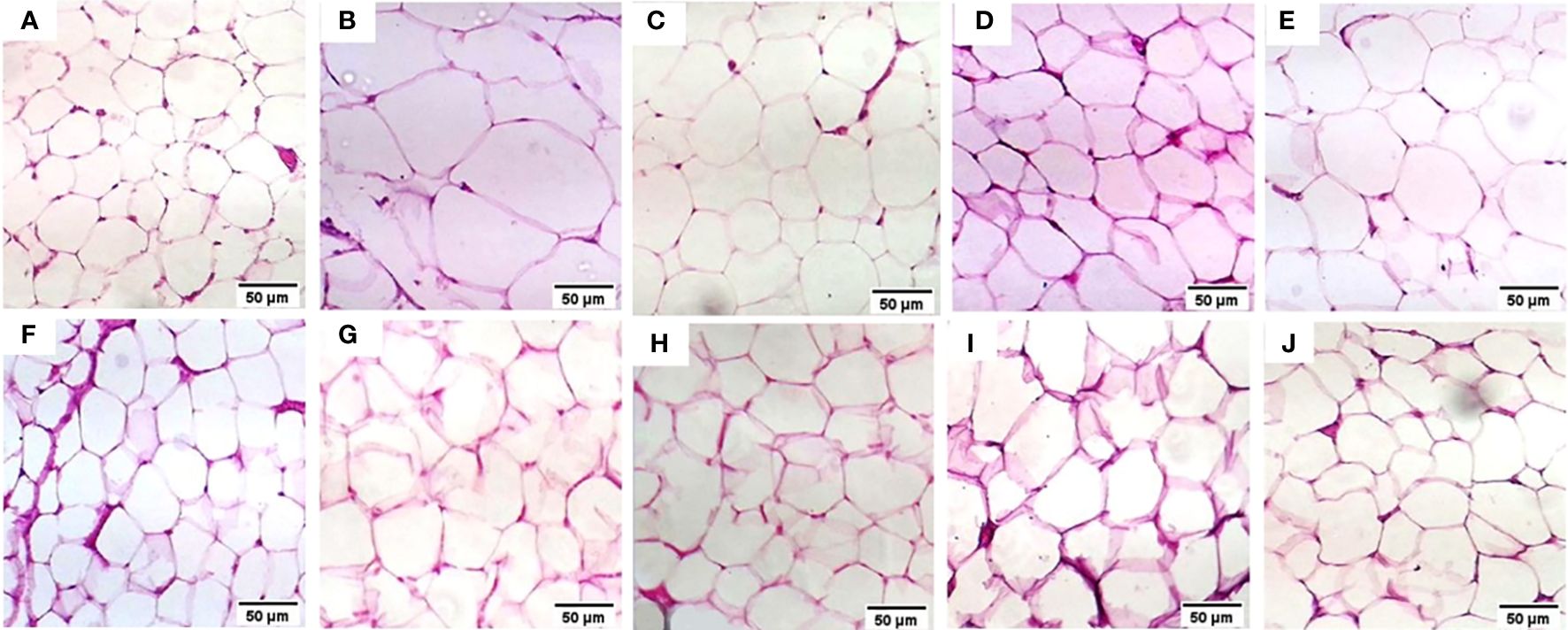
Comprehensive machine learning models for predicting therapeutic targets in type 2 diabetes utilizing molecular and biochemical features in rats
Introduction: With the increasing prevalence of type 2 diabetes mellitus (T2DM), there is an urgent need to discover effective therapeutic targets for this complex condition. Coding and non-coding RNAs, with traditional biochemical parameters, have shown promise as viable targets for therapy. Machine learning (ML) techniques have emerged as powerful tools for predicting drug responses. Method: In this study, we developed an ML-based model to identify the most influential features for drug response in the treatment of type 2 diabetes using three medicinal plant-based drugs (Rosavin, Caffeic
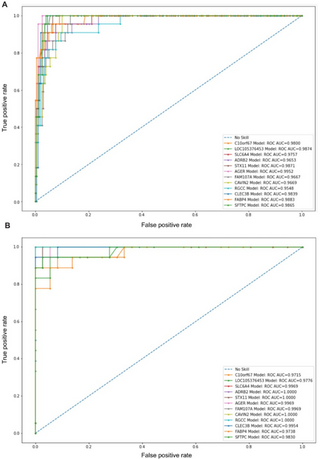
A feature selection-based framework to identify biomarkers for cancer diagnosis: A focus on lung adenocarcinoma
Lung cancer (LC) represents most of the cancer incidences in the world. There are many types of LC, but Lung Adenocarcinoma (LUAD) is the most common type. Although RNA-seq and microarray data provide a vast amount of gene expression data, most of the genes are insignificant to clinical diagnosis. Feature selection (FS) techniques overcome the high dimensionality and sparsity issues of the large-scale data. We propose a framework that applies an ensemble of feature selection techniques to identify genes highly correlated to LUAD. Utilizing LUAD RNA-seq data from the Cancer Genome Atlas (TCGA)

Vehicle to Pedestrian Systems: Survey, Challenges and Recent Trends
The accelerated rise of new technologies has reshaped the manufacturing industry of contemporary vehicles. Numerous technologies and applications have completely revolutionized the driving experience in terms of both safety and convenience. Although vehicles are now connected and equipped with a multitude of sensors and radars for collision avoidance, millions of people suffer serious accidents on the road, and unfortunately, the death rate is still on the rise. Collisions are still a dire reality for vehicles and pedestrians alike, which is why the improvement of collision prevention
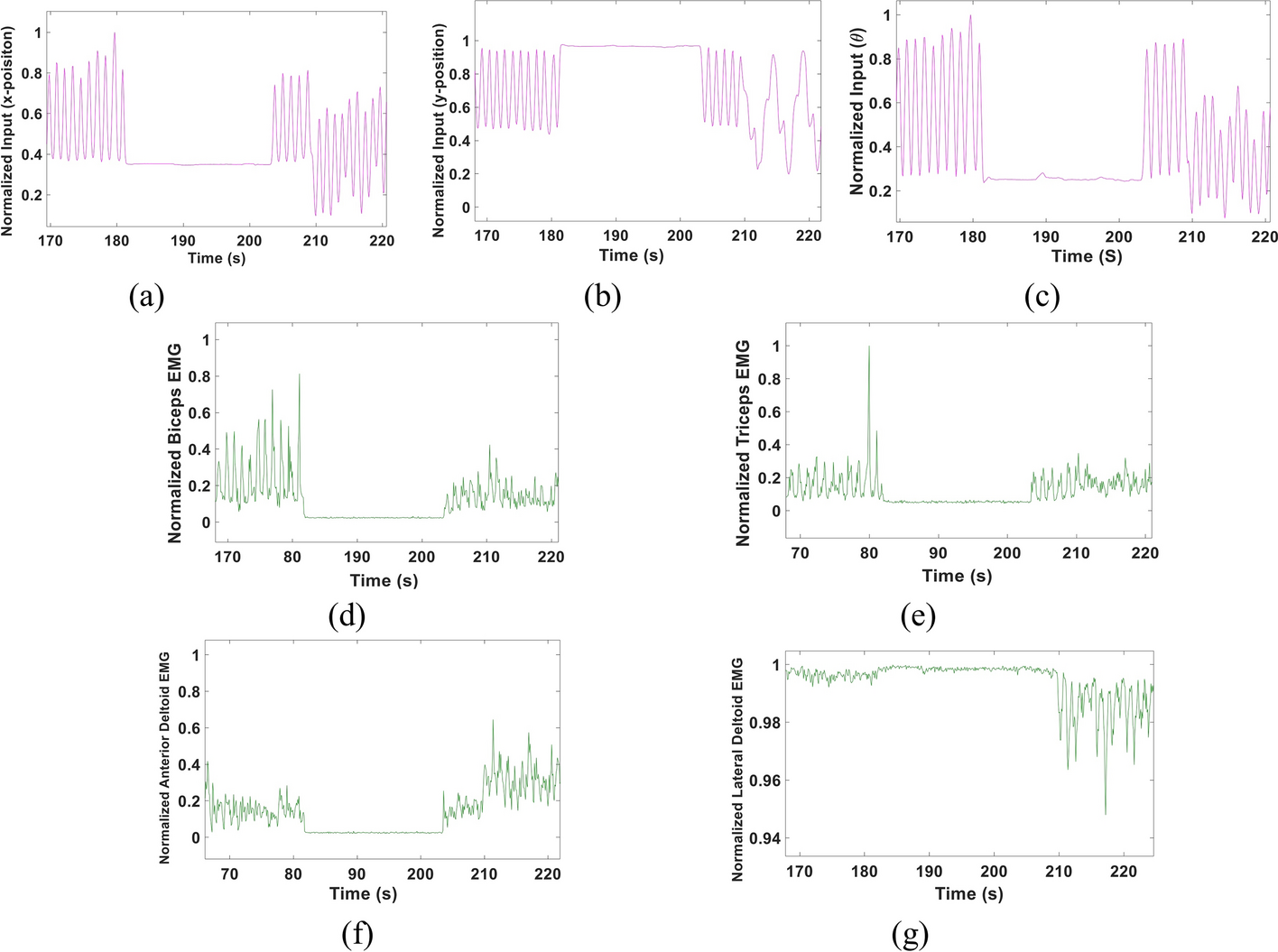
A multi-Kalman filter-based approach for decoding arm kinematics from EMG recordings
Background: Remarkable work has been recently introduced to enhance the usage of Electromyography (EMG) signals in operating prosthetic arms. Despite the rapid advancements in this field, providing a reliable, naturalistic myoelectric prosthesis remains a significant challenge. Other challenges include the limited number of allowed movements, lack of simultaneous, continuous control and the high computational power that could be needed for accurate decoding. In this study, we propose an EMG-based multi-Kalman filter approach to decode arm kinematics; specifically, the elbow angle (θ), wrist

Immunoinformatics approach of epitope prediction for SARS-CoV-2
Background: The novel coronavirus (SARS-CoV-2) caused lethal infections worldwide during an unprecedented pandemic. Identification of the candidate viral epitopes is the first step in the design of vaccines against the viral infection. Several immunoinformatic approaches were employed to identify the SARS-CoV-2 epitopes that bind specifically with the major histocompatibility molecules class I (MHC-I). We utilized immunoinformatic tools to analyze the whole viral protein sequences, to identify the SARS-CoV-2 epitopes responsible for binding to the most frequent human leukocyte antigen (HLA)
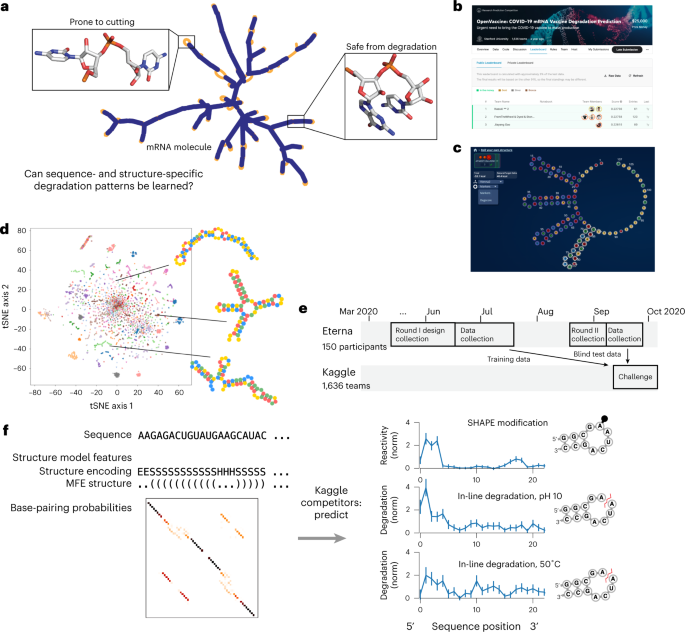
Deep learning models for predicting RNA degradation via dual crowdsourcing
Medicines based on messenger RNA (mRNA) hold immense potential, as evidenced by their rapid deployment as COVID-19 vaccines. However, worldwide distribution of mRNA molecules has been limited by their thermostability, which is fundamentally limited by the intrinsic instability of RNA molecules to a chemical degradation reaction called in-line hydrolysis. Predicting the degradation of an RNA molecule is a key task in designing more stable RNA-based therapeutics. Here, we describe a crowdsourced machine learning competition (‘Stanford OpenVaccine’) on Kaggle, involving single-nucleotide

Identifying Immunological and Clinical Predictors of COVID-19 Severity and Sequelae by Mathematical Modeling
Since its emergence as a pandemic in March 2020, coronavirus disease (COVID-19) outcome has been explored via several predictive models, using specific clinical or biochemical parameters. In the current study, we developed an integrative non-linear predictive model of COVID-19 outcome, using clinical, biochemical, immunological, and radiological data of patients with different disease severities. Initially, the immunological signature of the disease was investigated through transcriptomics analysis of nasopharyngeal swab samples of patients with different COVID-19 severity versus control
The FDA-Approved Drug Cobicistat Synergizes with Remdesivir to Inhibit SARS-CoV-2 Replication in Vitro and Decreases Viral Titers and Disease Progression in Syrian Hamsters
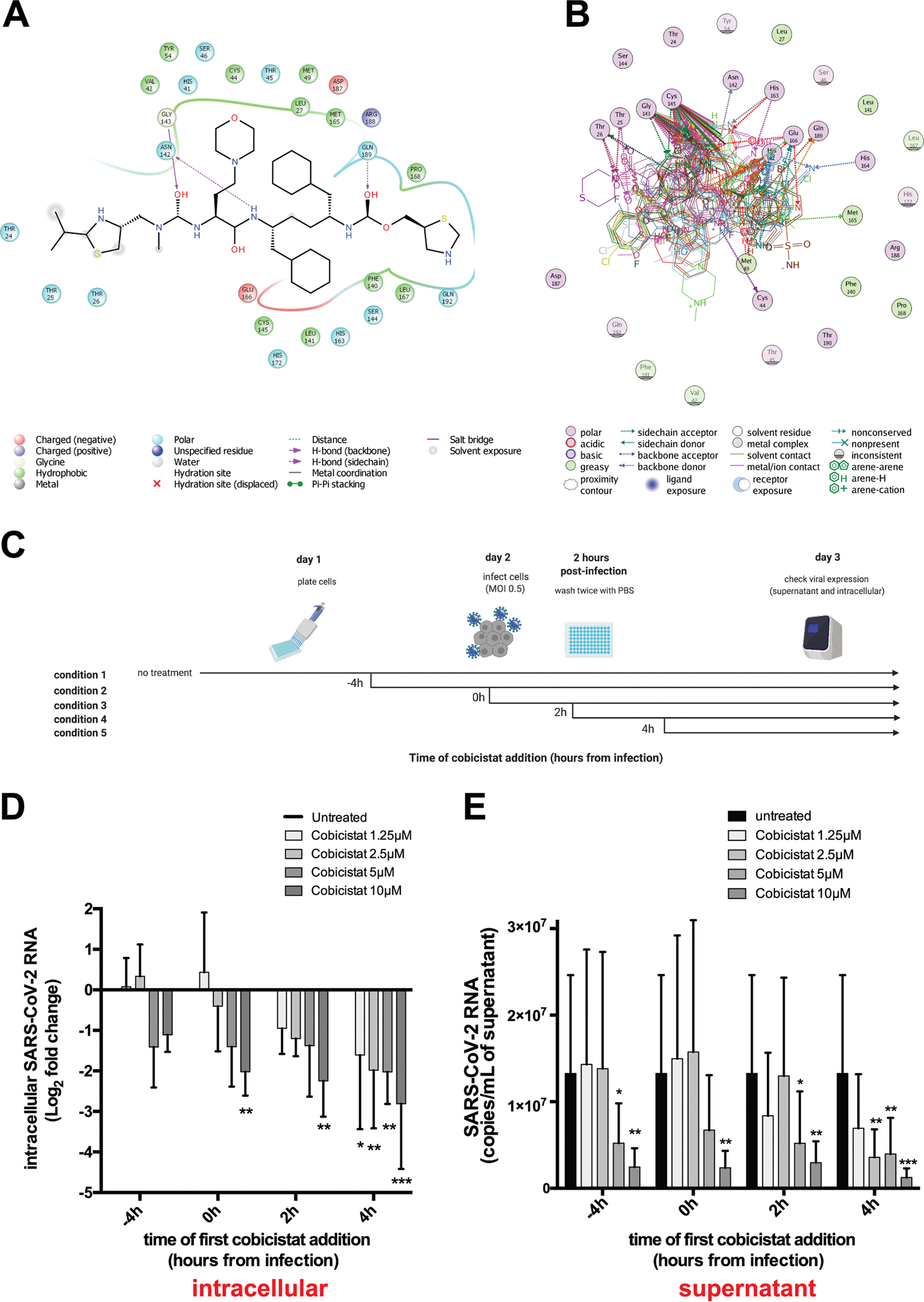
Combinations of direct-acting antivirals are needed to minimize drug resistance mutations and stably suppress replication of RNA viruses. Currently, there are limited therapeutic options against the severe acute respiratory syndrome coronavirus 2 (SARS-CoV-2), and testing of a number of drug regimens has led to conflicting results. Here, we show that cobicistat, which is an FDA-approved drug booster that blocks the activity of the drug-metabolizing proteins cytochrome P450-3As (CYP3As) and P-glycoprotein (P-gp), inhibits SARS-CoV-2 replication. Two independent cell-to-cell membrane fusion
Motion history of skeletal volumes and temporal change in bounding volume fusion for human action recognition
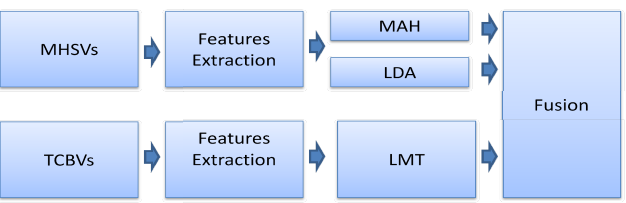
Human action recognition is an important area of research in computer vision. Its applications include surveillance systems, patient monitoring, human-computer interaction, just to name a few. Numerous techniques have been developed to solve this problem in 2D and 3D spaces. However 3D imaging gained a lot of interest nowadays. In this paper we propose a novel view-independent action recognition algorithm based on fusion between a global feature and a graph based feature. We used the motion history of skeleton volumes; we compute a skeleton for each volume and a motion history for each action
Supporting bioinformatics applications with hybrid multi-cloud services
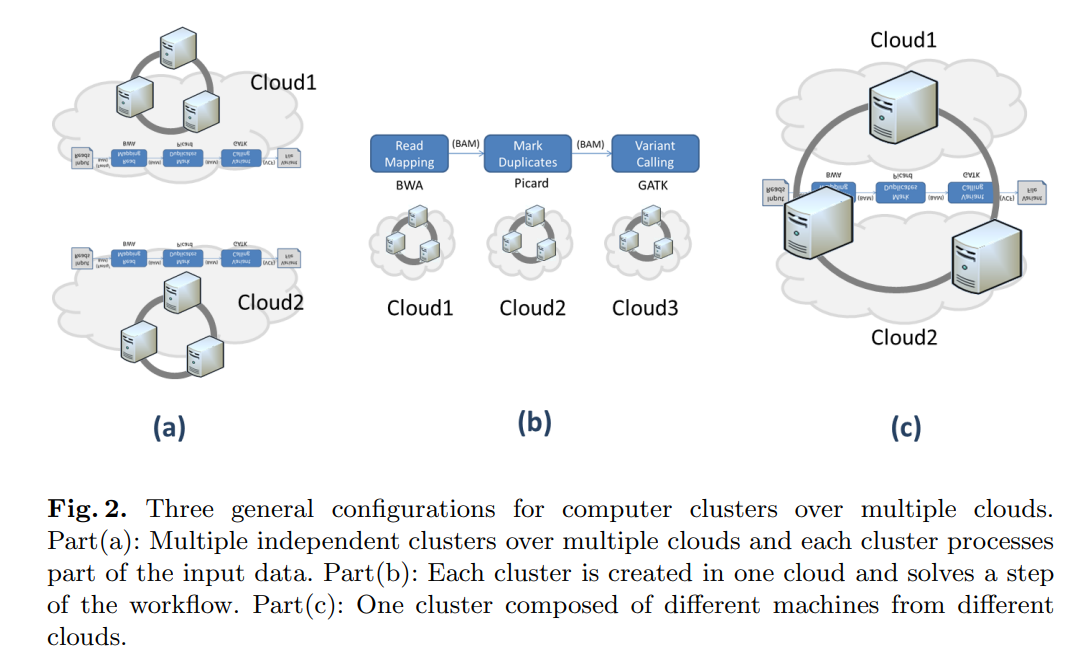
Cloud computing provides a promising solution to the big data problem associated with next generation sequencing applications. The increasing number of cloud service providers, who compete in terms of performance and price, is a clear indication of a growing market with high demand. However, current cloud computing based applications in bioinformatics do not profit from this progress, because they are still limited to just one cloud service provider. In this paper, we present different use case scenarios using hybrid services and resources from multiple cloud providers for bioinformatics