
Genomic landscape of hepatocellular carcinoma in Egyptian patients by whole exome sequencing
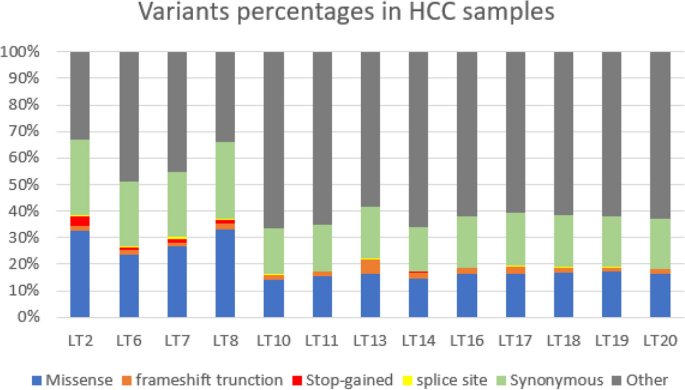
Background: Hepatocellular carcinoma (HCC) is the most common primary liver cancer. Chronic hepatitis and liver cirrhosis lead to accumulation of genetic alterations driving HCC pathogenesis. This study is designed to explore genomic landscape of HCC in Egyptian patients by whole exome sequencing. Methods: Whole exome sequencing using Ion Torrent was done on 13 HCC patients, who underwent surgical intervention (7 patients underwent living donor liver transplantation (LDLT) and 6 patients had surgical resection}. Results: Mutational signature was mostly S1, S5, S6, and S12 in HCC. Analysis of
Using Blockchain Technology in MANETs Security
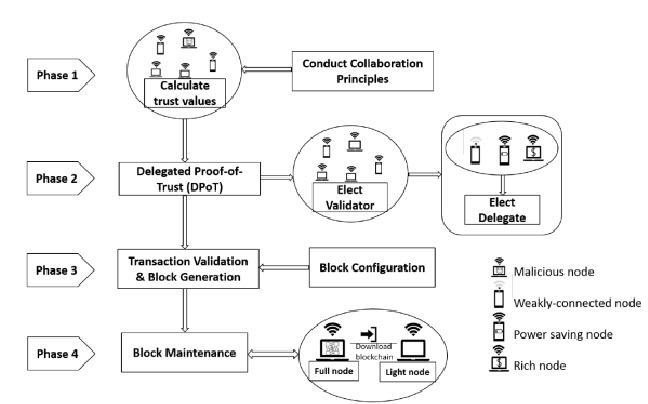
Many systems have recently begun to examine blockchain qualities in order to create cooperation enforcement methods. This paper provides a complete and extensive evaluation of work on multi-hop MANETs with blockchain-based trust control between nodes. We contextualize the snag of security in MANETs resulting from the lack of trust between the participating nodes. We present the blockchain concepts and discuss the limitation of the current blockchain in MANETs. We review the promising proposed ideas in the state-of-the-art based on research papers. Finally, we discuss and summarize strategies
Intrusion Detection in VANETs and ACVs using Deep Learning
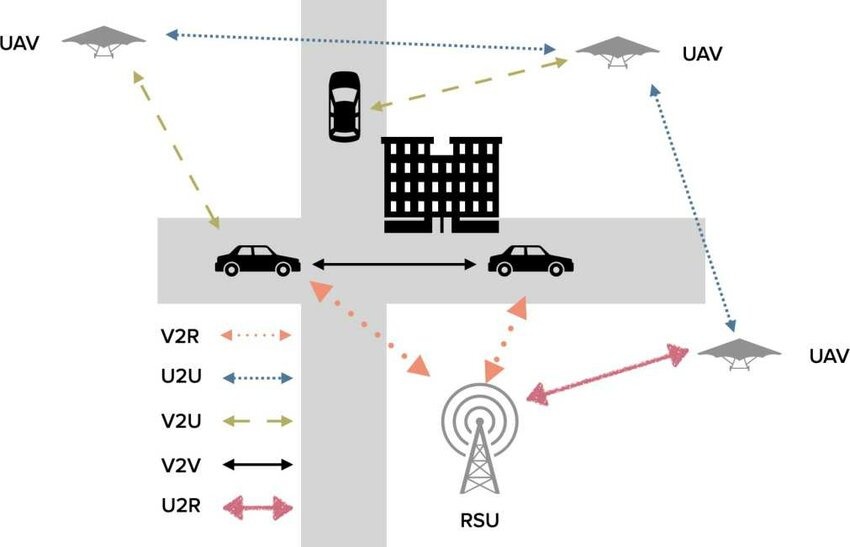
There are many novel techniques for intrusion detection in vehicular ad hoc networks and autonomous and connected vehicles. Detecting and reporting an attack is the main responsibility of an Intrusion detection system (IDS). Deep learning is used to make IDS smarter and more accurate. It implies other challenges on the other hand. This paper covers the proposed IDS based deep learning solutions and comparing effectiveness and efficiency of those solutions. © 2022 IEEE.
Brain Tumor Semantic Segmentation using Residual U-Net++ Encoder-Decoder Architecture
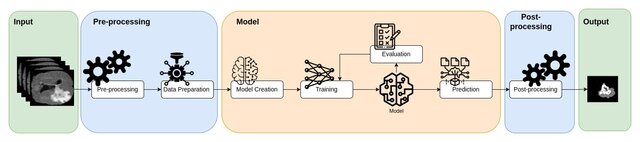
Image segmentation is considered one of the essen-tial tasks for extracting useful information from an image. Given the brain tumor and its consumption of medical resources, the development of a deep learning method for MRI to segment the brain tumor of patients’ MRI is illustrated here. Brain tumor segmentation technique is crucial in detecting and treating MRI brain tumors. Furthermore, it assists physicians in locating and measuring tumors and developing treatment and rehabilitation programs. The residual U-Net++ encoder-decoder-based architec-ture is designed as the primary network, and it
Introduction to genomics-based pharmaceutical applications
Biomedical research and pharmaceutical development have been profoundly impacted by genomics in recent years, with researchers gaining new understanding of the genetic pathways underlying disease and opening up new opportunities for the creation of targeted therapeutic interventions. Without a comprehensive grasp of the genetic mechanisms at play, medication discovery approaches in the past often relied on trial and error, targeting particular symptoms or pathways. However, the advent of genomics has changed the game. Scientific advances in high-throughput DNA sequencing have allowed
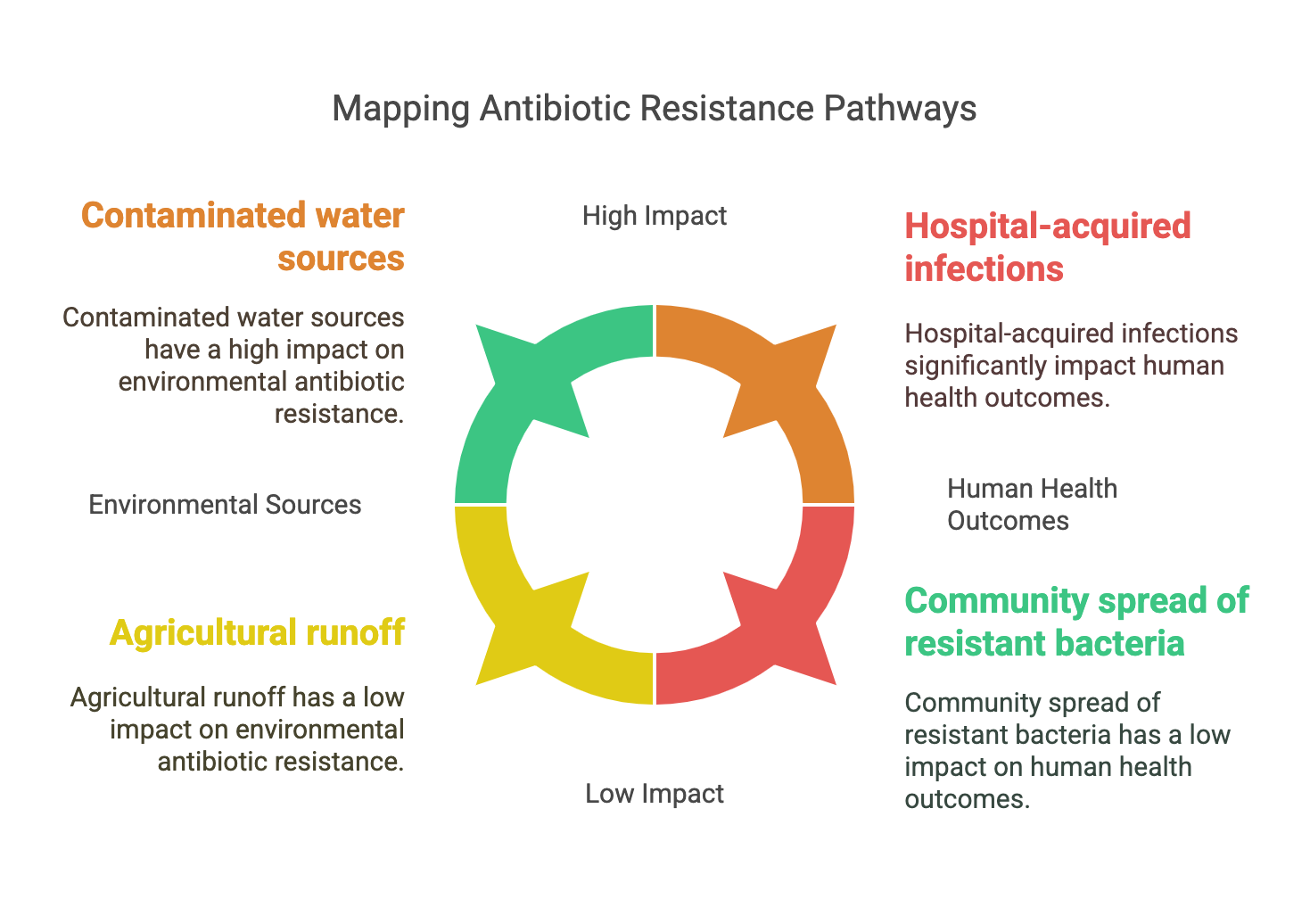
Tracking Antibiotic Resistance from the Environment to Human Health
Antimicrobial resistance (AMR) is one of the threats to our world according to the World Health Organization (WHO). Resistance is an evolutionary dynamic process where host-associated microbes have to adapt to their stressful environments. AMR could be classified according to the mechanism of resistance or the biome where resistance takes place. Antibiotics are one of the stresses that lead to resistance through antibiotic resistance genes (ARGs). The resistome could be defined as the collection of all ARGs in an organism’s genome or metagenome. Currently, there is a growing body of evidence
OMICS and bioinformatics in Parkinson disease and related movements disorders
This chapter explores the integration of omics and bioinformatics for Parkinson's disease (PD) diagnosis and potential cure discovery. It begins with an overview of PD and its prevalence, followed by an examination of key mutations in genes linked to the disease. These mutations lead to dysfunctional proteins, triggering PD progression. The chapter delves into techniques like whole-exome sequencing (WES), genome-wide association sequencing (GWAS), and whole-genome sequencing (WGS). These methods enable the exploration of omics levels such as lipidomics, metabolomics, genomics, and proteomics
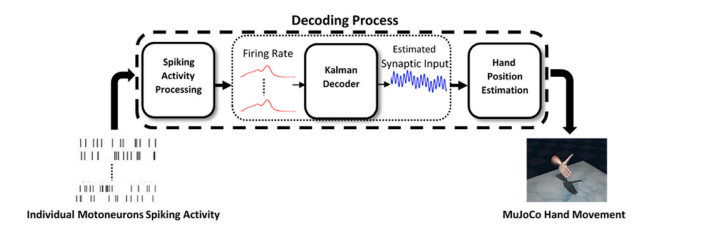
In-silico development and assessment of a Kalman filter motor decoder for prosthetic hand control
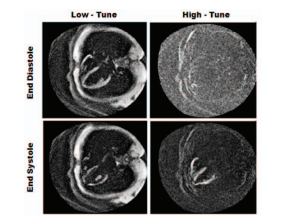
Improved strain measuring using fast strain-encoded cardiac MR
The strain encoding (SENC) technique encodes regional strain of the heart into the acquired MR images and produces two images with two different tunings so that longitudinal strain, on the short-axis view, or circumferential strain on the long-axis view, are measured. Interleaving acquisition is used to shorten the acquisition time of the two tuned images by 50%, but it suffers from errors in the strain calculations due to inter-tunings motion of the heart, which is the motion between two successive acquisitions. In this work, a method is proposed to correct for the inter-tunings motion by
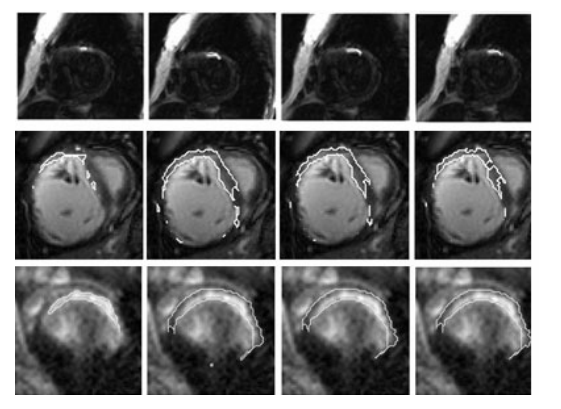
Improved technique to detect the infarction in delayed enhancement image using k-mean method
Cardiac magnetic resonance (CMR) imaging is an important technique for cardiac diagnosis. Measuring the scar in myocardium is important to cardiologists to assess the viability of the heart. Delayed enhancement (DE) images are acquired after about 10 minutes following injecting the patient with contrast agent so the infracted region appears brighter than its surroundings. A common method to segment the infarction from DE images is based on intensity Thresholding. This technique performed poorly for detecting small infarcts in noisy images. In this work we aim to identify the best threshold