
Filter by
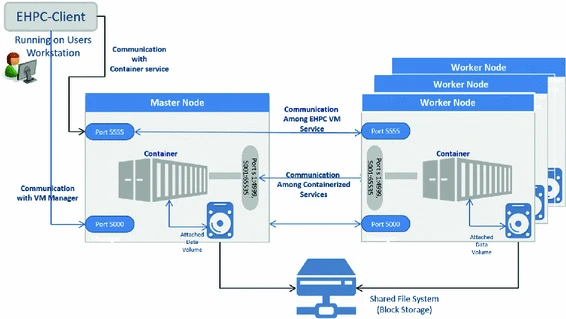
The case for docker in multicloud enabled bioinformatics applications
The introduction of next generation sequencing technologies did not bring only huge amounts of biological data but also highly sophisticated and versatile analysis workflows and systems. These new challenges require reliable and fast deployment methods over high performance servers in the local infrastructure or in the cloud. The use of virtualization technology has provided an efficient solution
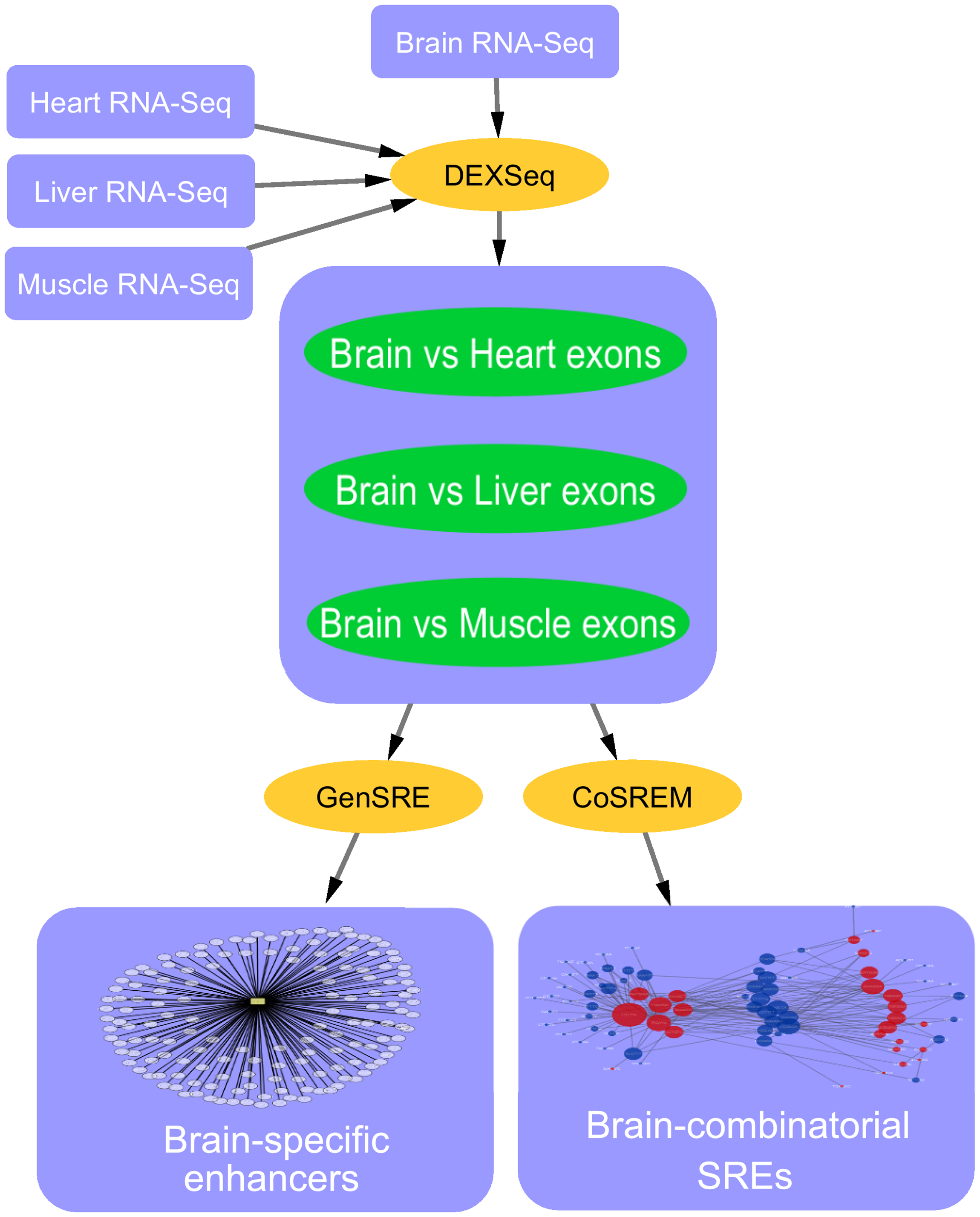
Computational identification of tissue-specific splicing regulatory elements in human genes from RNA-Seq Data
Alternative splicing is a vital process for regulating gene expression and promoting proteomic diversity. It plays a key role in tissue-specific expressed genes. This specificity is mainly regulated by splicing factors that bind to specific sequences called splicing regulatory elements (SREs). Here, we report a genome-wide analysis to study alternative splicing on multiple tissues, including brain
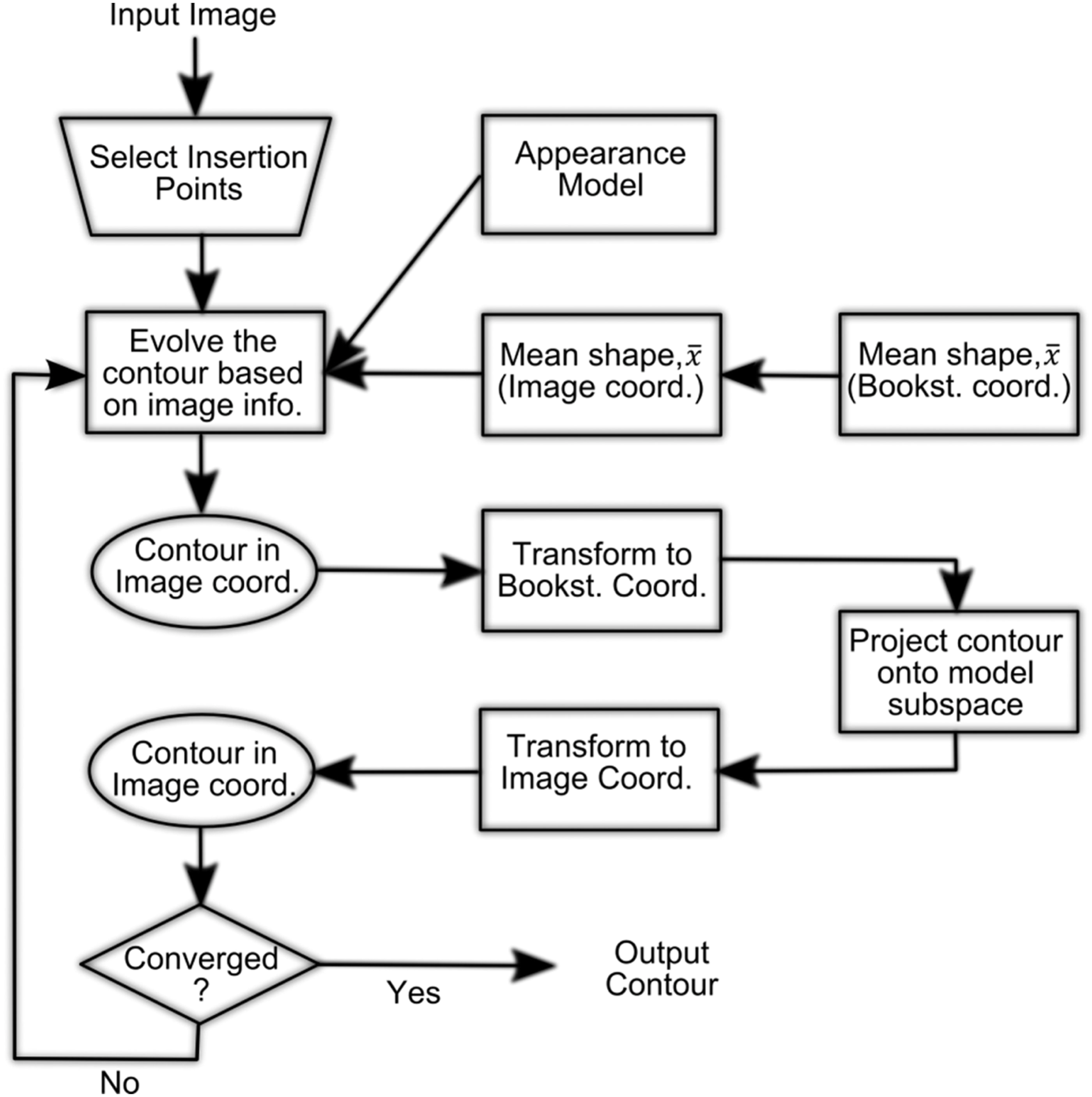
Segmentation of the right ventricle in MRI images using a dual active shape model
Active shape models (ASM) showed to have potential for segmenting the right ventricle (RV) in cardiac magnetic resonance images (MRIs). Nevertheless, the large variability and complexity of the RV shape do not allow for concisely capturing all possible shape variations among patients and anatomical cross-sections. Noticeably, the latter increases the number of iterations required to converge to a
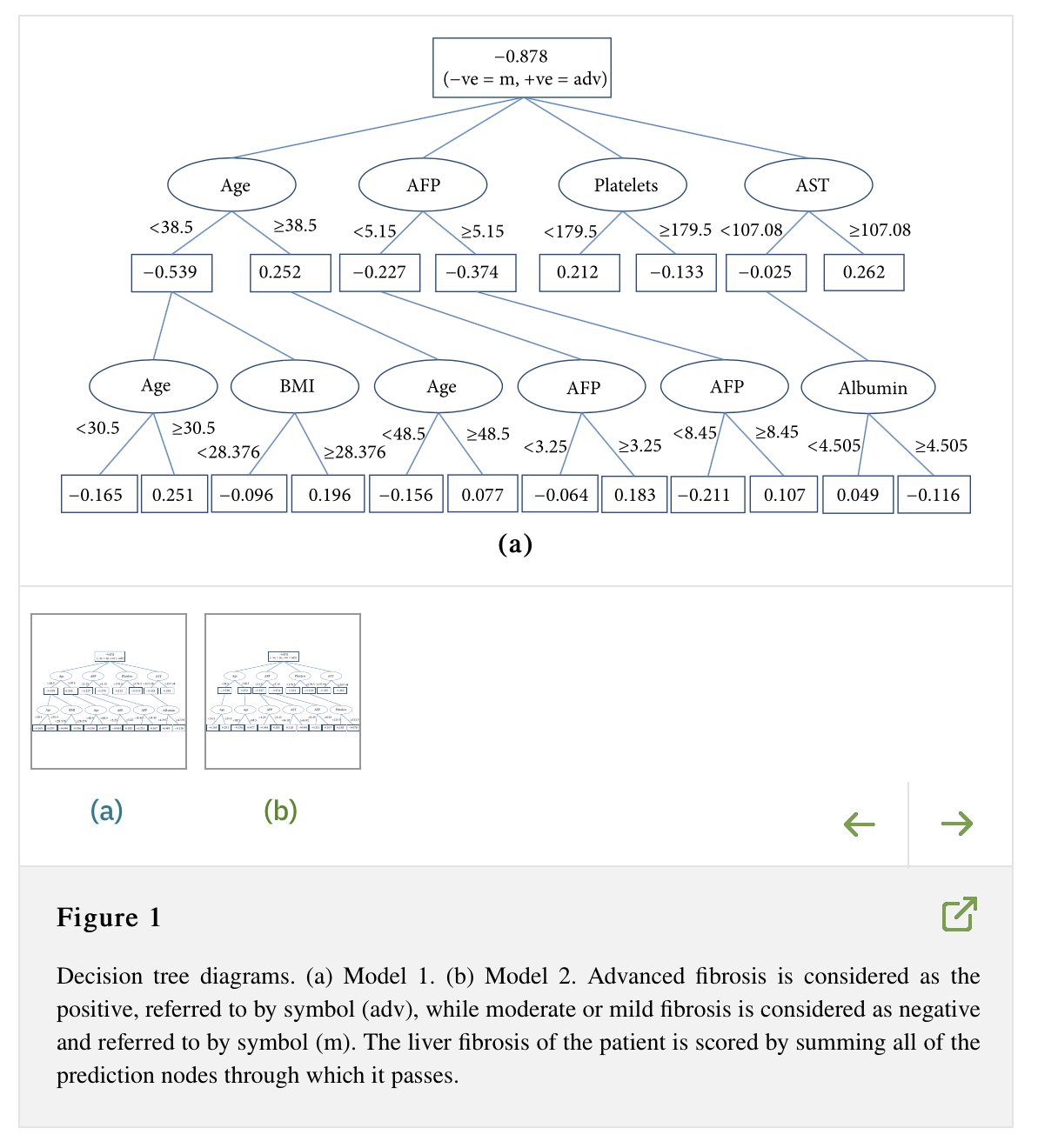
Accurate Prediction of Advanced Liver Fibrosis Using the Decision Tree Learning Algorithm in Chronic Hepatitis C Egyptian Patients
Background/Aim. Respectively with the prevalence of chronic hepatitis C in the world, using noninvasive methods as an alternative method in staging chronic liver diseases for avoiding the drawbacks of biopsy is significantly increasing. The aim of this study is to combine the serum biomarkers and clinical information to develop a classification model that can predict advanced liver fibrosis
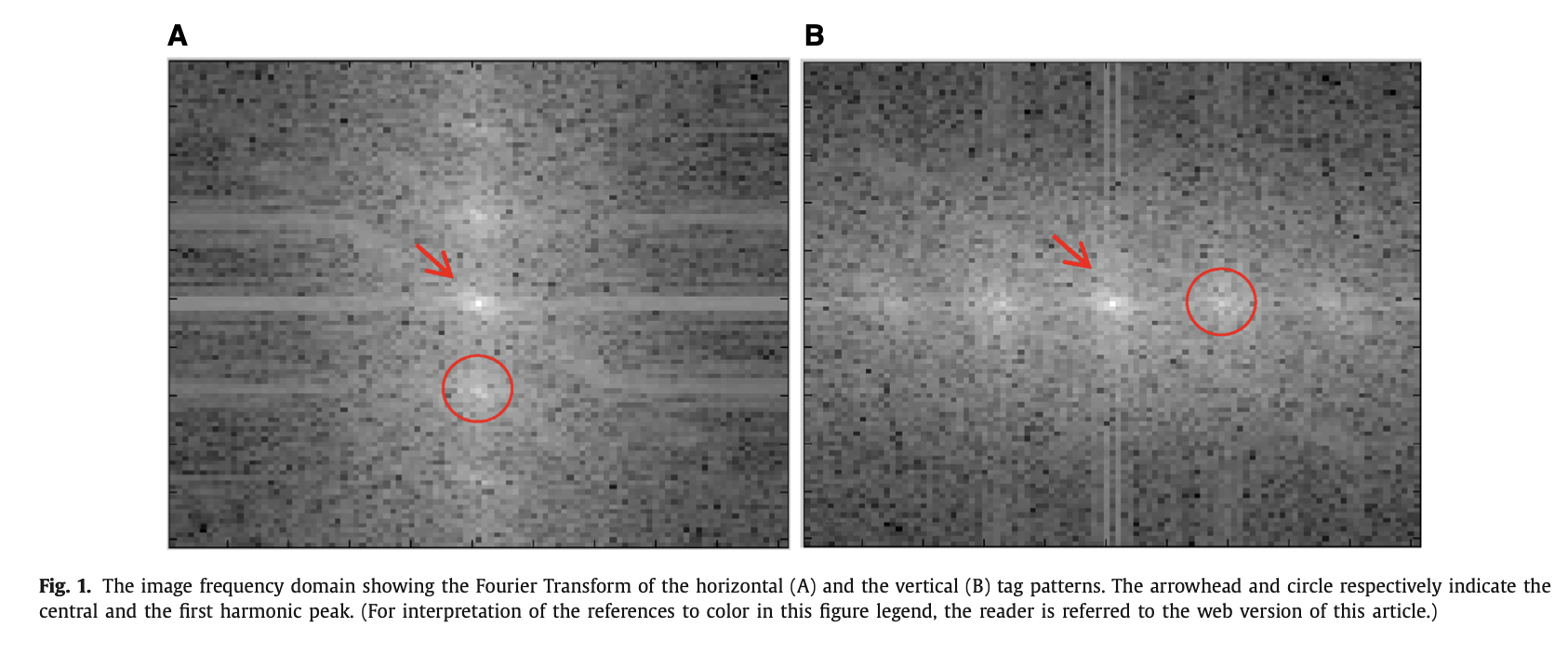
Accurate harmonic phase tracking of tagged MRI using locally-uniform myocardium displacement constraint
Harmonic phase (HARP) tracking is one of the most commonly used techniques for estimating the myocardium regional function from tagged cardiac Magnetic Resonance Imaging sequences. Nevertheless, tag fading and phase distortion can severely limit the tracking accuracy of the technique. In this work, we propose to modify the HARP tracking algorithm to impose a constraint of locally uniform
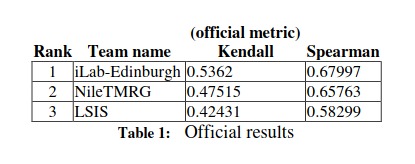
NileTMRG at SemEval-2016 Task 7: Deriving prior polarities for Arabic sentiment terms
This paper presents a model that was developed to address SemEval Task 7: "Determining Sentiment Intensity of English and Arabic Phrases", with focus on 'Arabic Phrases'. The goal of this task is to determine the degree to which some given term is associated with positive sentiment. The underlying premise behind the model that we have adopted is that determining the context (positive or negative)
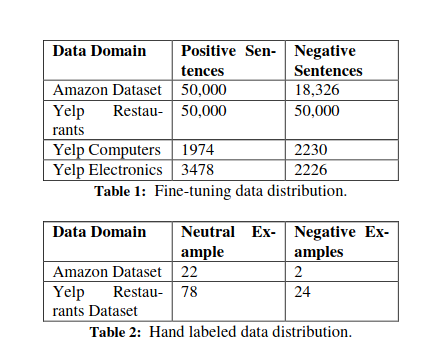
NileTMRG at SemEval-2016 task 5: Deep convolutional neural networks for aspect category and sentiment extraction
This paper describes our participation in the SemEval-2016 task 5, Aspect Based Sentiment Analysis (ABSA). We participated in two slots in the sentence level ABSA (Subtask 1) namely: aspect category extraction (Slot 1) and sentiment polarity extraction (Slot 3) in English Restaurants and Laptops reviews. For Slot 1, we applied different models for each domain. In the restaurants domain, we used an
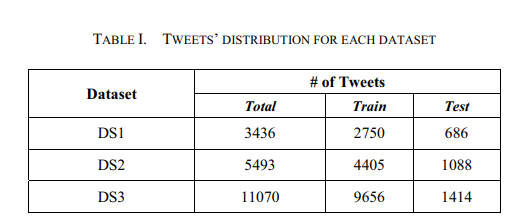
Which configuration works best? an experimental study on supervised Arabic twitter sentiment analysis
Arabic Twitter Sentiment Analysis has been gaining a lot of attention lately with supervised approaches being exploited widely. However, to date, there has not been an experimental study that examines how different configurations of the Bag of Words model, text representation scheme, can affect various supervised machine learning methods. The goal of the presented work is to do exactly that
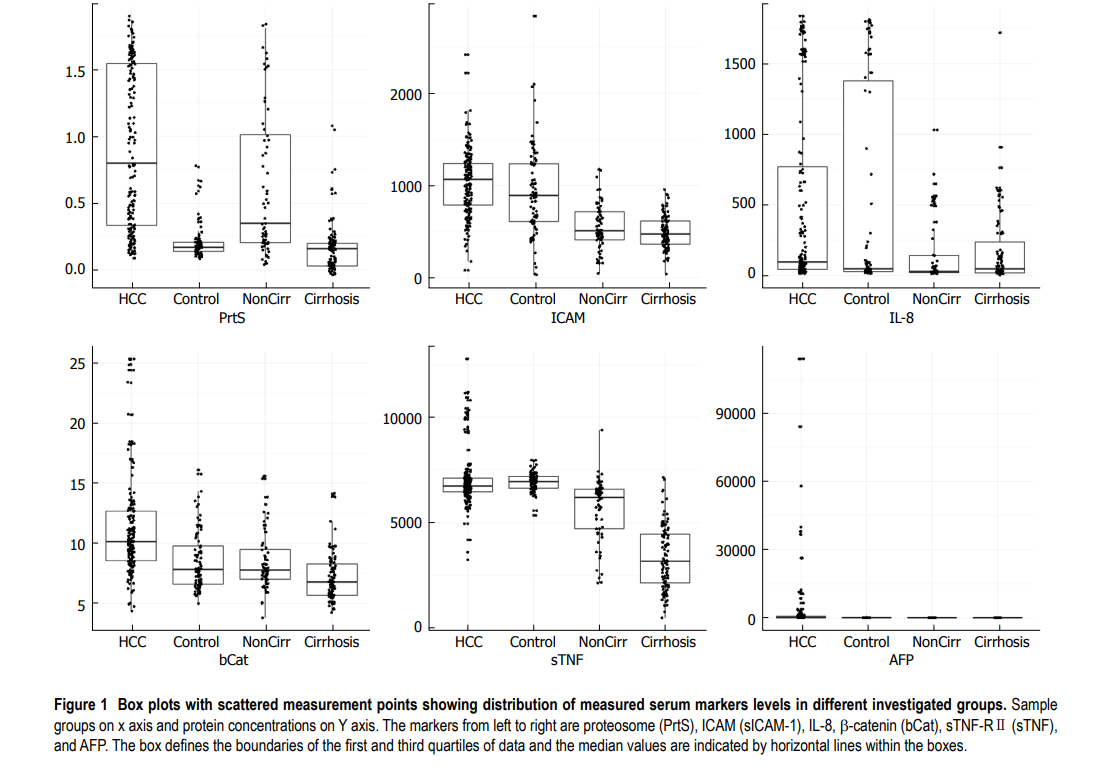
Early detection of hepatocellular carcinoma co-occurring with hepatitis C virus infection: A mathematical model
AIM: To develop a mathematical model for the early detection of hepatocellular carcinoma (HCC) with a panel of serum proteins in combination with α-fetoprotein (AFP). METHODS: Serum levels of interleukin (IL)-8, soluble intercellular adhesion molecule-1 (sICAM-1), soluble tumor necrosis factor receptor II (sTNF-R II), proteasome, and β-catenin were measured in 479 subjects categorized into four
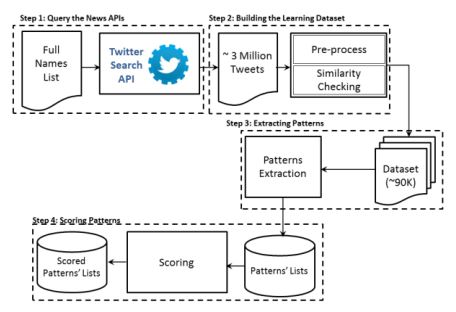
Named entity recognition of persons' names in Arabic tweets
The rise in Arabic usage within various socialmedia platforms, and notably in Twitter, has led to a growing interest in building ArabicNatural Language Processing (NLP) applications capable of dealing with informal colloquialArabic, as it is the most commonly used form of Arabic in social media. The uniquecharacteristics of the Arabic language make the extraction of Arabic named entities