
Filter by
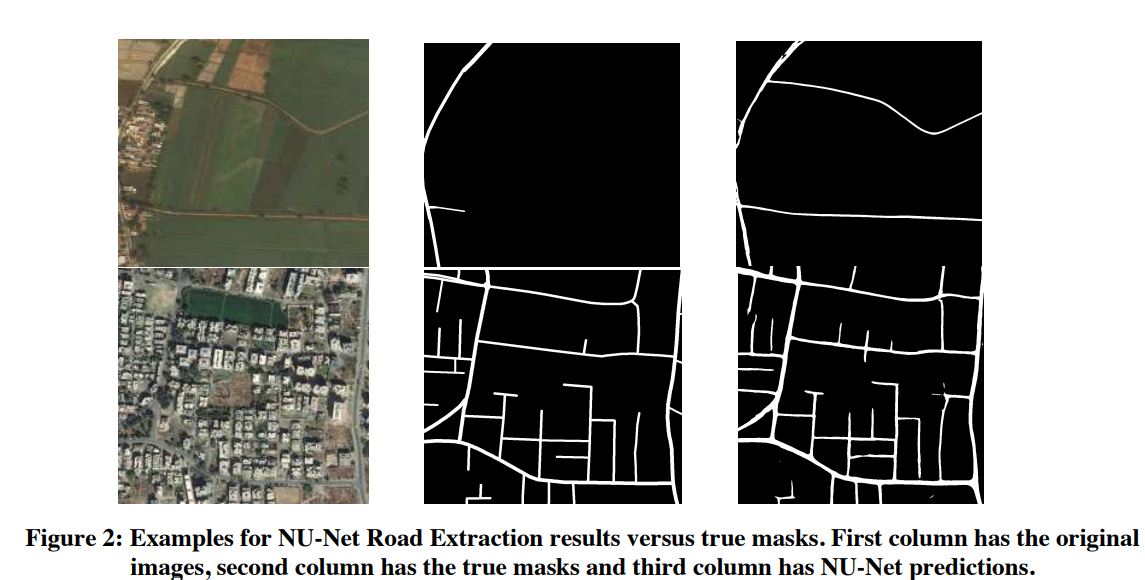
NU-Net: Deep residual wide field of view convolutional neural network for semantic segmentation
Semantic Segmentation of satellite images is one of the most challenging problems in computer vision as it requires a model capable of capturing both local and global information at each pixel. Current state of the art methods are based on Fully Convolutional Neural Networks (FCNN) with mostly two main components: an encoder which is a pretrained classification model that gradually reduces the
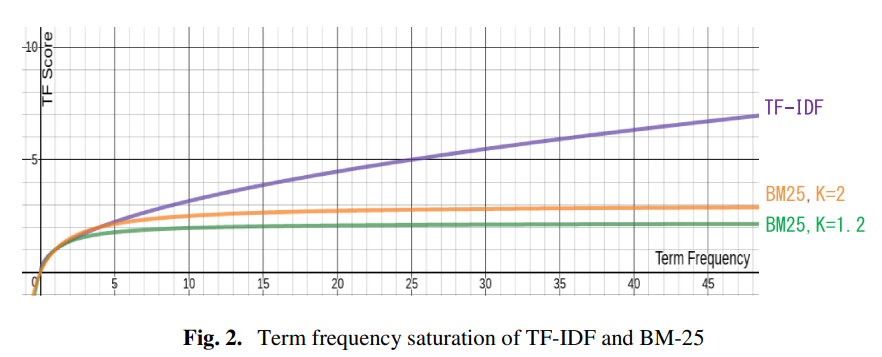
Behaviorally-Based Textual Similarity Engine for Matching Job-Seekers with Jobs
Understanding both of job-seekers and employers behavior in addition to analyzing the text of job-seekers and job profiles are two important missions for the e-recruitment industry. They are important tasks for matching job-seekers with jobs to find the top relevant suggestions for each job-seeker. Recommender systems, information retrieval and text mining are originally targeted to assist users
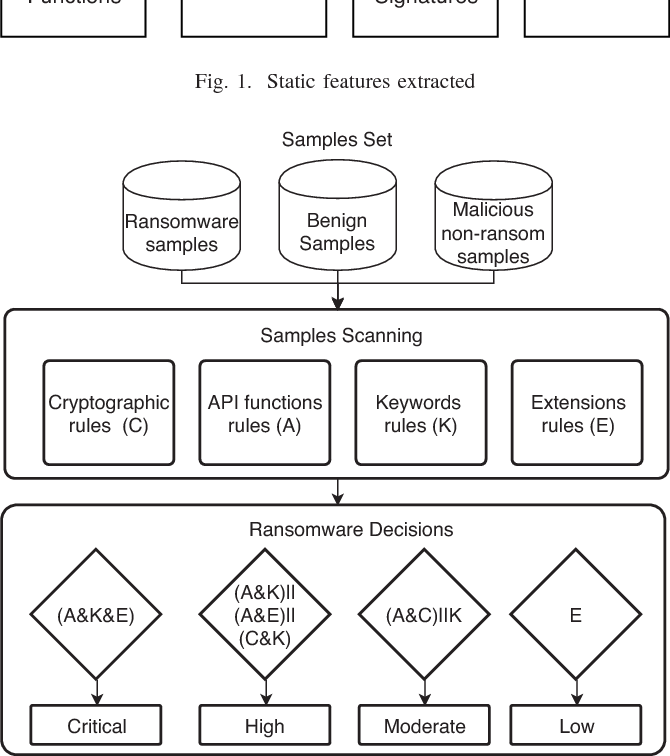
A new static-based framework for ransomware detection
Recently, ransomware attacks are on the rise hitting critical infrastructures and organizations globally. Ransomware uses advanced encryption techniques to encrypt important files on the targeted computer, then it requests payment to decrypt the encrypted files again. Therefore, the detection and prevention of ransomware attacks represent major challenges for security researchers. This research
Decoding arm kinematics from EMG signals using Kalman filter
Myoelectric control of prosthetic arms provides a new hope for providing naturalistic movements to amputees. Extensive work has been made in recent years to use Electromyography (EMG) signals to enhance the operation of prosthetic arms. In this paper, we propose an EMG Kalman filter-based model, where we identify the relationship between the joint angles and recorded EMG signals. EMG signals were
A Context Integrated Model for Multi-label Emotion Detection
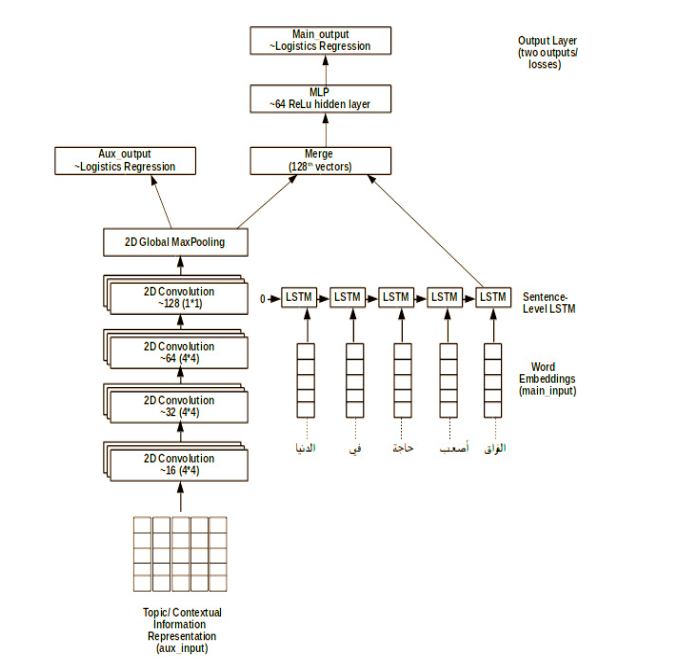
This paper explores the impact of taking the environment within which a tweet is made, on the task of analyzing sentiment orientations of tweets produced by people in the same community. The paper proposes C-GRU (Context-aware Gated Recurrent Units), which extracts the contextual information (topics) from tweets and uses them as an extra layer to determine sentiments conveyed by the tweet. The

NileTMRG at SemEval-2017 Task 8: Determining Rumour and Veracity Support for Rumours on Twitter
This paper presents the results and conclusions of our participation in SemEval-2017 task 8: Determining rumour veracity and support for rumours. We have participated in 2 subtasks: SDQC (Subtask A) which deals with tracking how tweets orient to the accuracy of a rumourous story, and Veracity Prediction (Subtask B) which deals with the goal of predicting the veracity of a given rumour. Our

NileTMRG at SemEval-2017 Task 4: Arabic Sentiment Analysis
This paper describes two systems that were used by the NileTMRG for addressing Arabic Sentiment Analysis as part of SemEval-2017, task 4. NileTMRG participated in three Arabic related subtasks which are: Subtask A (Message Polarity Classification), Subtask B (Topic-Based Message Polarity classification) and Subtask D (Tweet quantification). For sub-task A, we made use of our previously developed
Towards Efficient Online Topic Detection through Automated Bursty Feature Detection from Arabic Twitter Streams
Detecting trending topics or events from Twitter is an active research area. The first step in detecting such topics focuses on efficiently capturing textual features that exhibit an unusual high rate of appearance during a specific timeframe. Previous work in this area has resulted in coining the term "detecting bursty features" to refer to this step. In this paper, TFIDF, entropy, and stream

MC-GenomeKey: A multicloud system for the detection and annotation of genomic variants
Convolutional Neural Network-Based Deep Urban Signatures with Application to Drone Localization
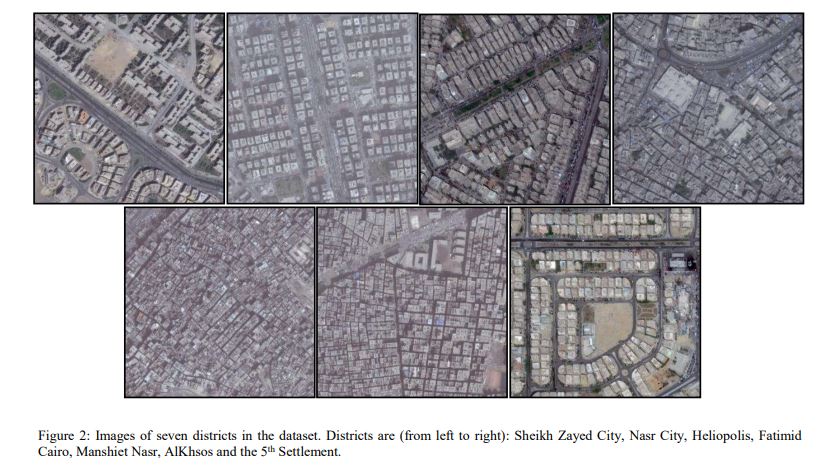
Most commercial Small Unmanned Aerial Vehicles (SUAVs) rely solely on Global Navigation Satellite Systems (GNSSs) - such as GPS and GLONASS - to perform localization tasks during the execution of autonomous navigation activities. Despite being fast and accurate, satellite-based navigation systems have typical vulnerabilities and pitfalls in urban settings that may prevent successful drone