
Filter by
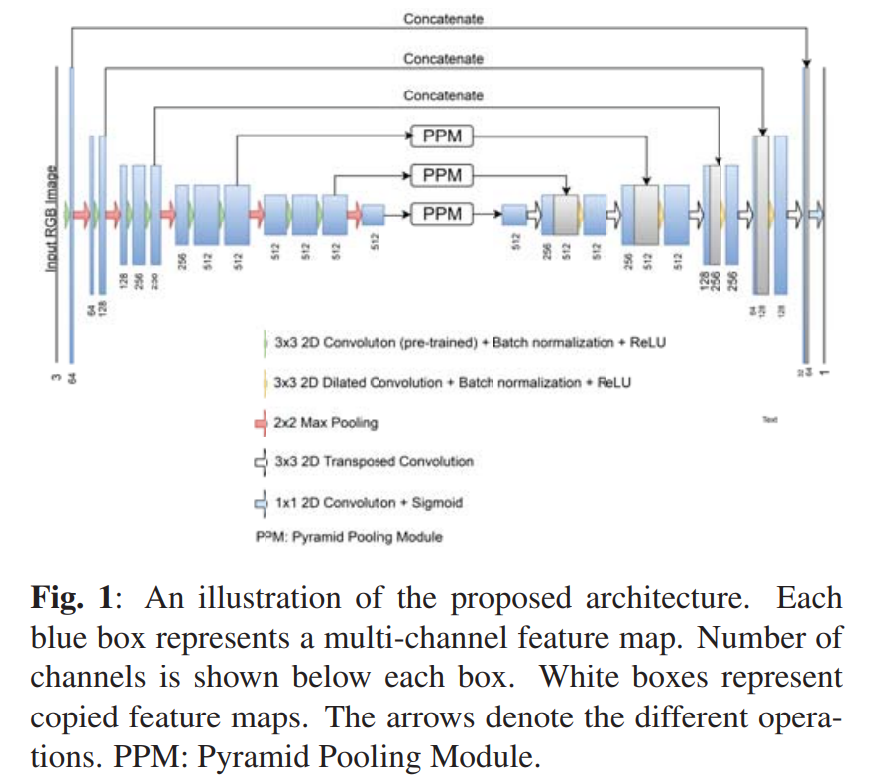
Deep convolutional encoder-decoders with aggregated multi-resolution skip connections for skin lesion segmentation
The prevalence of skin melanoma is rapidly increasing as well as the recorded death cases of its patients. Automatic image segmentation tools play an important role in providing standardized computer-assisted analysis for skin melanoma patients. Current state-of-the-art segmentation methods are based on fully convolutional neural networks, which utilize an encoder-decoder approach. However, these
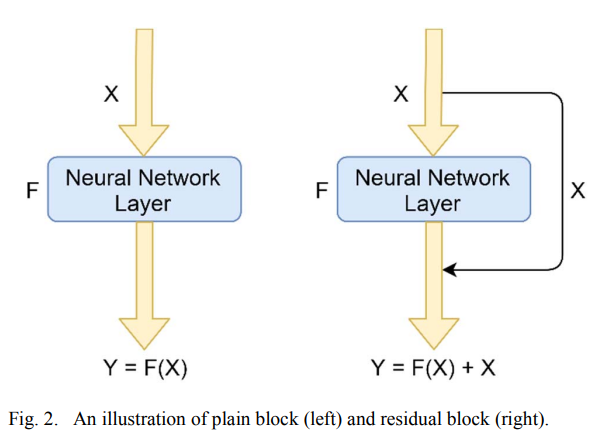
Deep Ensemble Learning for Skin Lesion Classification from Dermoscopic Images
Skin cancer is one of the leading causes of death globally. Early diagnosis of skin lesion significantly increases the prevalence of recovery. Automatic classification of the skin lesion is a challenging task to provide clinicians with the ability to differentiate between different kind of lesion categories and recommend the suitable treatment. Recently, Deep Convolutional Neural Networks have
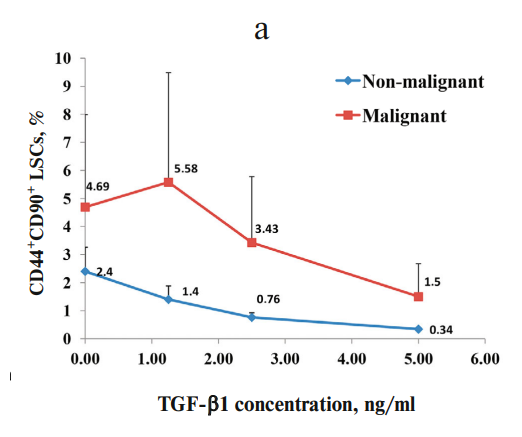
Role of TGF-β1 and C-Kit Mutations in the Development of Hepatocellular Carcinoma in Hepatitis C Virus-Infected Patients: in vitro Study
Transforming growth factor beta (TGF-β) acts as a tumor-suppressing cytokine in healthy tissues and non-malignant tumors. Yet, in malignancy, TGF-β can exert the opposite effects that can promote proliferation of cancer cells. C-Kit plays a prominent role in stem cell activation and liver regeneration after injury. However, little is known about the cross-talk between TGF-β and C-Kit and its role
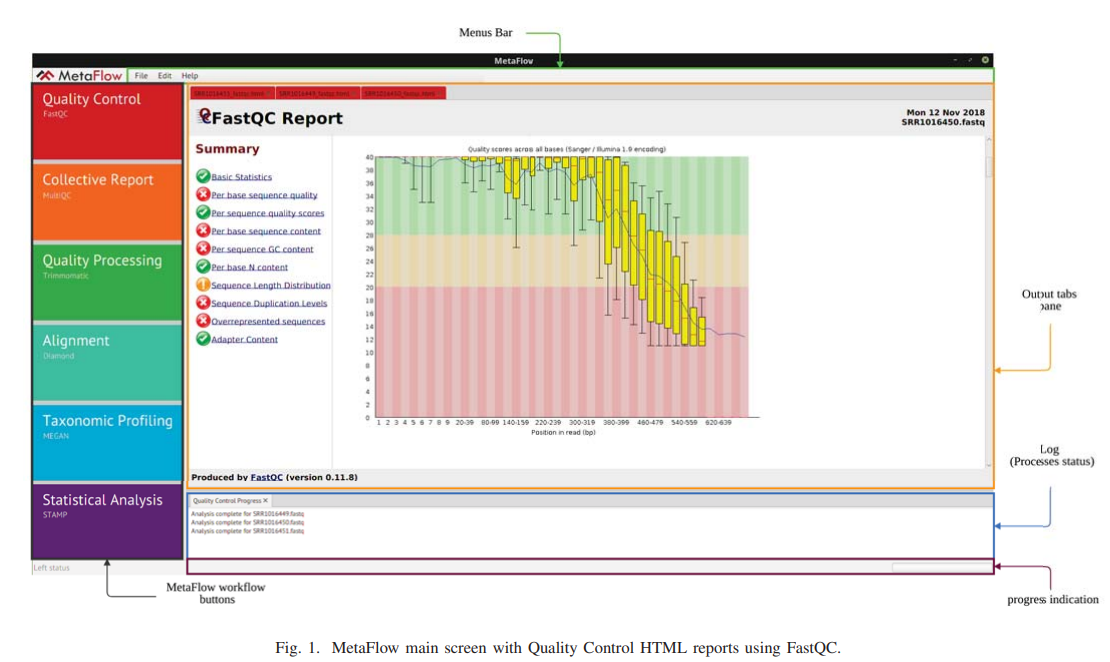
MetaFlow: An interactive user-friendly workflow for automated analysis of whole genome shotgun sequencing metagenomic data
Metagenomics is a rapidly emerging field that is concerned with the study of microbial communities 'microbiomes' on both levels of taxonomic classification and functional annotation. Targeted amplicon (16S rRNA) and whole genome shotgun (WGS) sequencing are the two main sequencing strategies in metagenomics. As amplicon sequencing provides a cheap way to classify the composition of a microbial
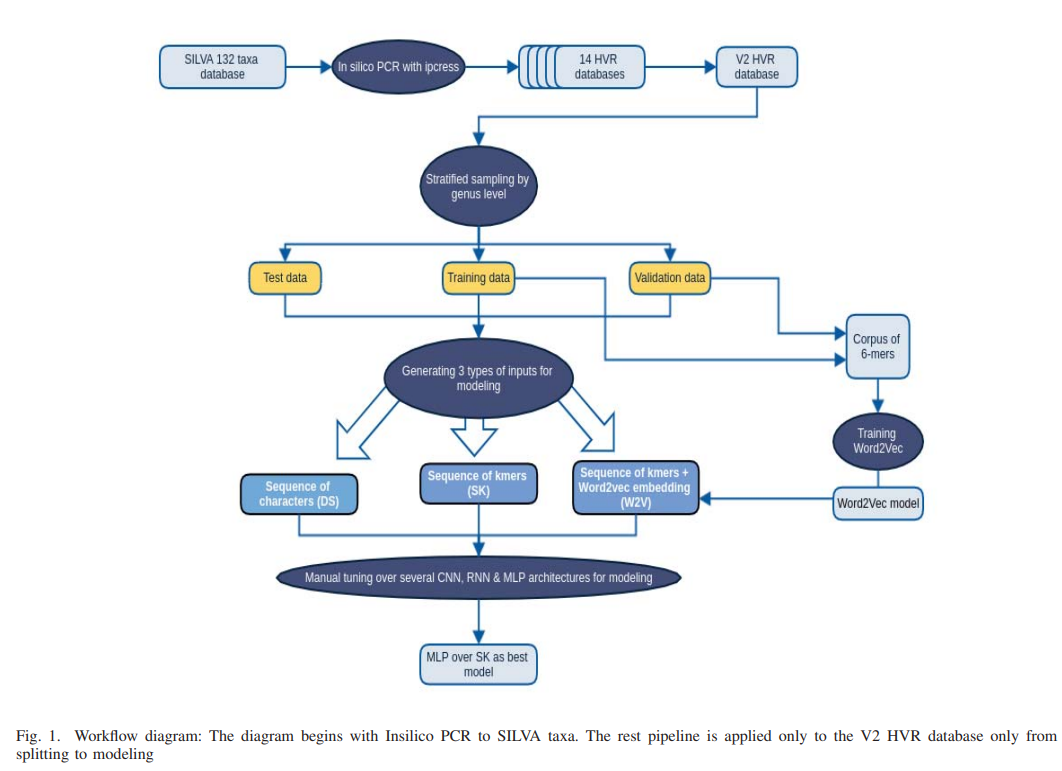
AmpliconNet: Sequence Based Multi-layer Perceptron for Amplicon Read Classification Using Real-time Data Augmentation
Taxonomic assignment is the core of targeted metagenomics approaches that aims to assign sequencing reads to their corresponding taxonomy. Sequence similarity searching and machine learning (ML) are two commonly used approaches for taxonomic assignment based on the 16S rRNA. Similarity based approaches require high computation resources, while ML approaches dont need these resources in prediction
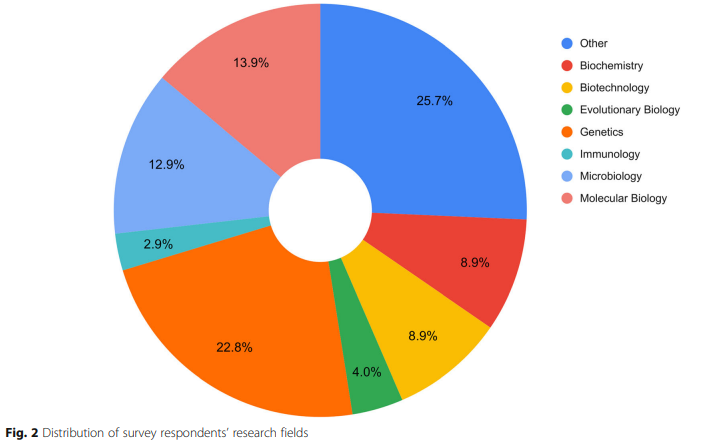
The H3ABioNet helpdesk: An online bioinformatics resource, enhancing Africa's capacity for genomics research
Background: Currently, formal mechanisms for bioinformatics support are limited. The H3Africa Bioinformatics Network has implemented a public and freely available Helpdesk (HD), which provides generic bioinformatics support to researchers through an online ticketing platform. The following article reports on the H3ABioNet HD (H3A-HD)'s development, outlining its design, management, usage and
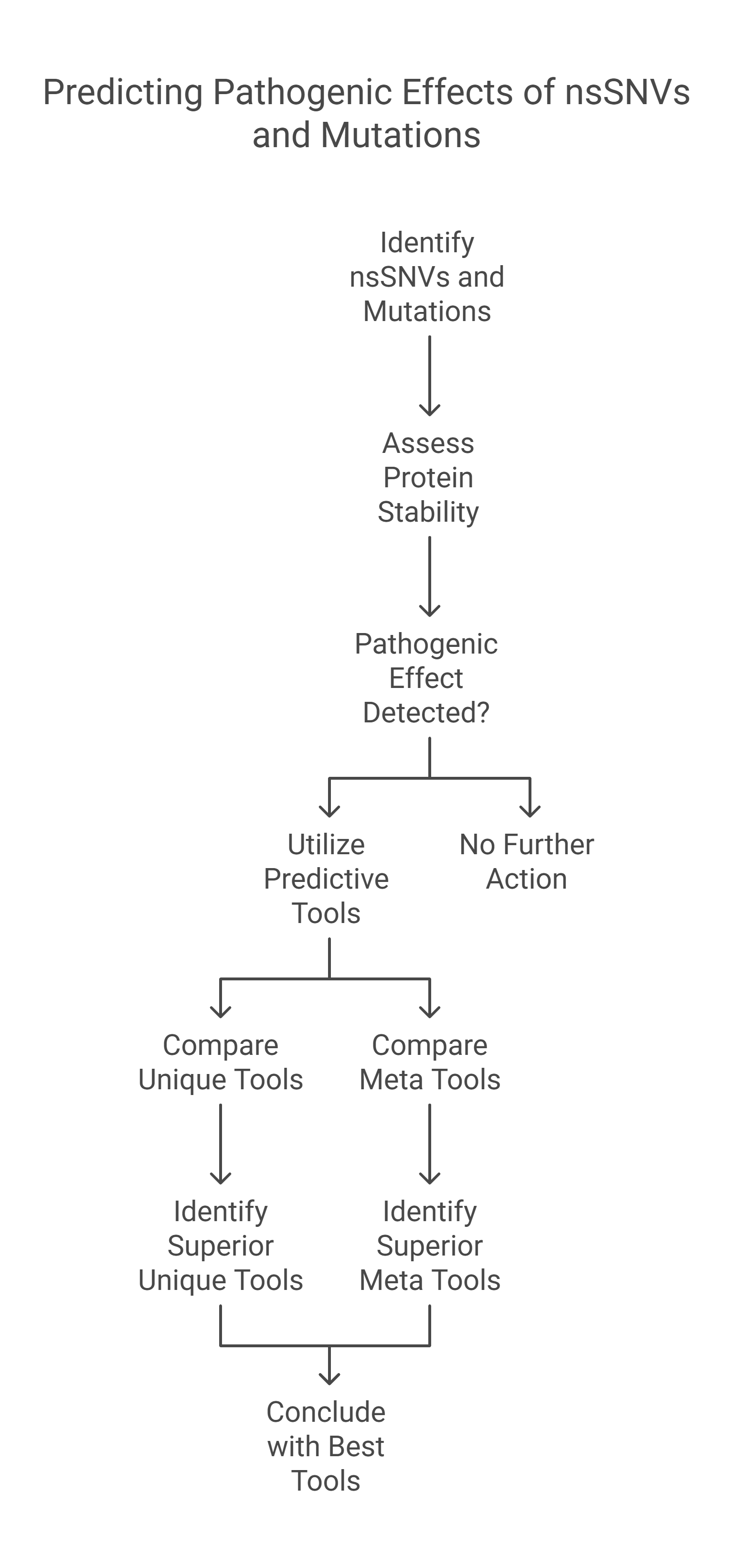
Predicting non-synonymous single nucleotide variants pathogenic effects in human diseases
Non-synonymous Single - Nucleotide Variants (nsSNVs) and mutations can create a diversity of the contrary influence of proteins like varying genotype and phenotype of any protein which affects its stability. The alterations in the protein stability may cause diseases. Detecting of nsSNVs and mutations can be a helpful tool in diagnosing diseases at an early stage. The study of singular and
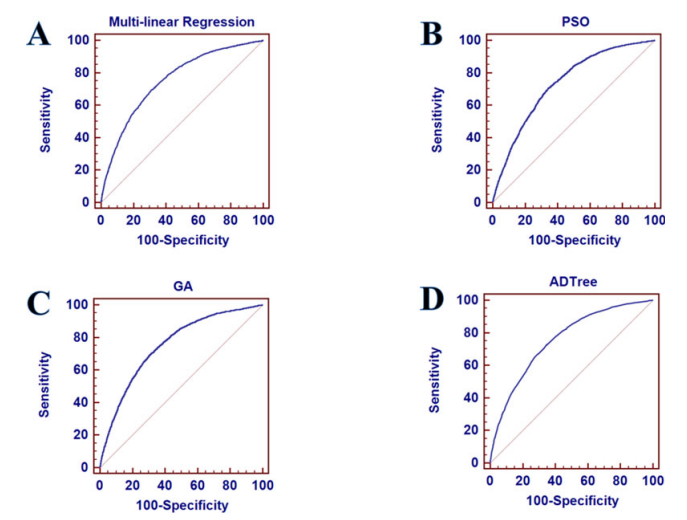
Comparison of Machine Learning Approaches for Prediction of Advanced Liver Fibrosis in Chronic Hepatitis C Patients
Background/Aim: Using machine learning approaches as non-invasive methods have been used recently as an alternative method in staging chronic liver diseases for avoiding the drawbacks of biopsy. This study aims to evaluate different machine learning techniques in prediction of advanced fibrosis by combining the serum bio-markers and clinical information to develop the classification models
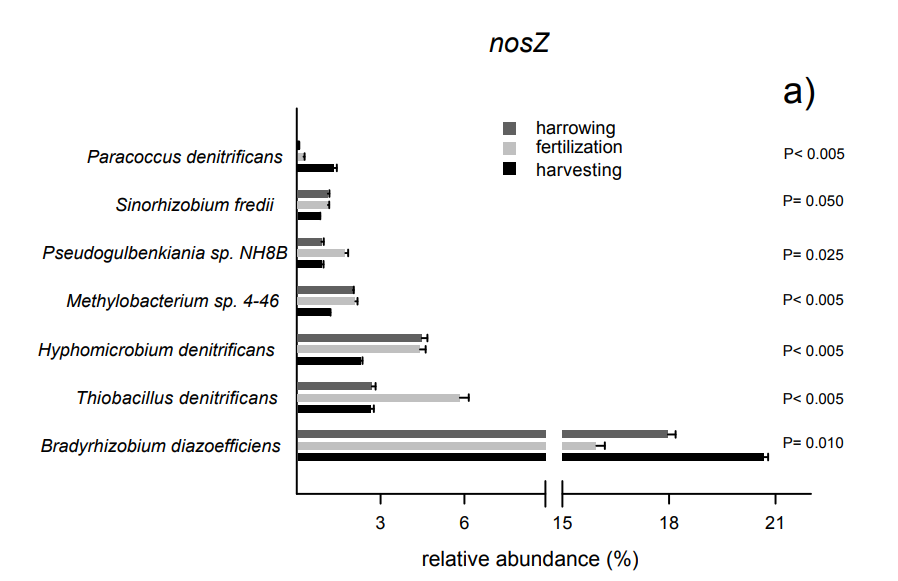
Biochar affects community composition of nitrous oxide reducers in a field experiment
N2O is a major greenhouse gas and the majority of anthropogenic N2O emissions originate from agriculturally managed soils. Therefore, developing N2O mitigation strategies is a key challenge for the agricultural sector and biochar soil treatment is one reported option. Biochar's capacity to increase soil pH and to foster activity of specialized N2O reducers has been proposed as possible mechanisms

Bioinformatics functional analysis of let-7a, miR-34a, and miR-199a/b reveals novel insights into immune system pathways and cancer hallmarks for hepatocellular carcinoma
Let-7a, miR-34a, and miR-199 a/b have gained a great attention as master regulators for cellular processes. In particular, these three micro-RNAs act as potential onco-suppressors for hepatocellular carcinoma. Bioinformatics can reveal the functionality of these micro-RNAs through target prediction and functional annotation analysis. In the current study, in silico analysis using innovative