
Downlink Throughput Prediction in LTE Cellular Networks Using Time Series Forecasting
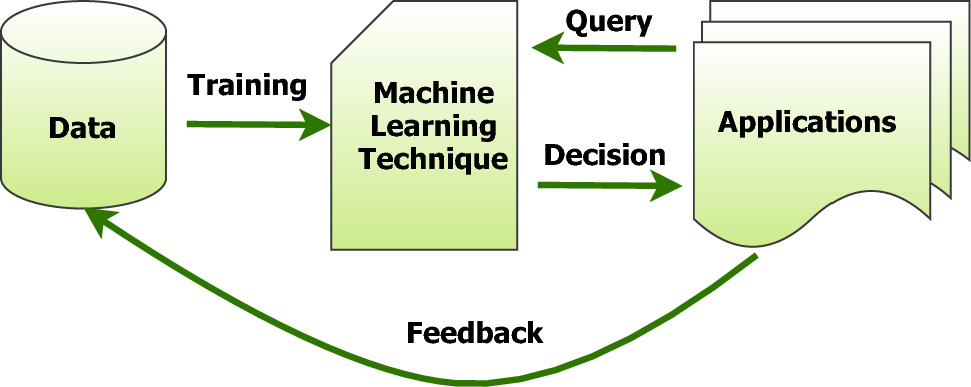
Long-Term Evolution (LTE) cellular networks have transformed the mobile business, as users increasingly require various network services such as video streaming, online gaming, and video conferencing. A network planning approach is required for network services to meet user expectations and meet their needs. The User DownLink (UE DL) throughput is considered the most effective Key Performance Indicator (KPI) for measuring the user experience. As a result, the forecast of UE DL throughput is essential in network dimensioning for the network planning team throughout the network design stage. The

Uni-Buddy: A Multifunctional AI-Powered Assistant for Enhancing University Life: A Use Case at Nile University
Uni-Buddy is an advanced AI system developed to simplify university life at Nile University. It efficiently handles questions in everyday language, accesses real-time university databases, and simultaneously provides accurate responses for multiple users. Its goals include assisting with course registration, academic advising, financial inquiries, campus navigation, and research support. The evaluation demonstrates Uni-Buddy's user-friendly design, effective navigation, language comprehension, and database connectivity proficiency. Compared to similar studies, it stands out for its ease of use

New antileishmanial quinoline linked isatin derivatives targeting DHFR-TS and PTR1: Design, synthesis, and molecular modeling studies
In a search for new drug candidates for one of the neglected tropical diseases, leishmaniasis, twenty quinoline-isatin hybrids were synthesized and tested for their in vitro antileishmanial activity against Leishmania major strain. All the synthesized compounds showed promising in vitro activity against the promastigote form in a low micromolar range (IC50 = 0.5084–5.9486 μM) superior to the reference miltefosine (IC50 = 7.8976 μM). All the target compounds were then tested against the intracellular amastigote form and showed promising inhibition effects (IC50 = 0.60442–8.2948 μM versus 8.08
MSDAR: Multi-Stage Dynamic Architecture Intrusion Detection System
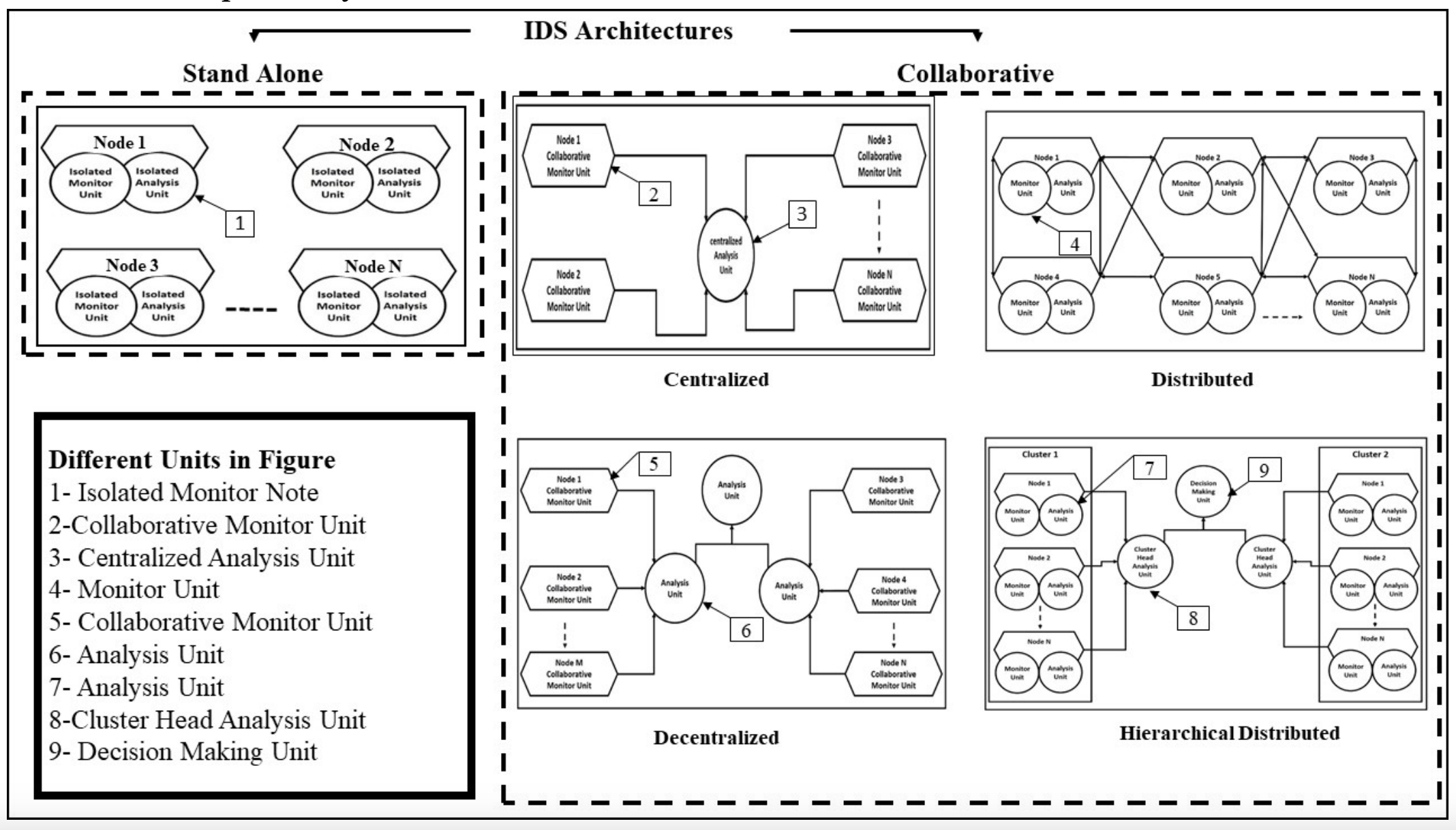
Ad hoc networks have been through extensive research in the last decade. Even with their desirable characteristics, major issues related to their security need to be considered. Various security solutions have been proposed to reduce the risks of malicious actions. They mainly focus on key management, authentication, secure localization, and aggregation techniques. These techniques have been proposed to secure wireless communications but they can only deal with external threats. Therefore, they are considered the first line of defense. Intrusion detection systems are always required to
Hybrid Global Optimization Algorithm for Feature Selection
This paper proposes Parallelized Linear Time-Variant Acceleration Coefficients and Inertial Weight of Particle Swarm Optimization algorithm (PLTVACIW-PSO). Its designed has introduced the benefits of Parallel computing into the combined power of TVAC (Time-Variant Acceleration Coefficients) and IW (Inertial Weight). Proposed algorithm has been tested against linear, non-linear, traditional, and multiswarm based optimization algorithms. An experimental study is performed in two stages to assess the proposed PLTVACIW-PSO. Phase I uses 12 recognized Standard Benchmarks methods to evaluate the
Active Directory Attacks—Steps, Types, and Signatures
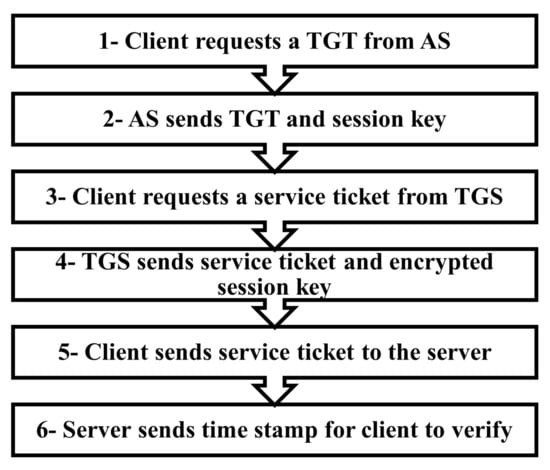
Active Directory Domain is a Microsoft service that allows and facilitates the centralized administration of all workstations and servers in any environment. Due to the wide use and adoption of this service, it has become a target for many attackers. Active Directory attacks have evolved through years. The attacks target different functions and features provided by Active Directory. In this paper, we provide insights on the criticality, impact, and detection of Active Directory attacks. We review the different Active Directory attacks. We introduce the steps of the Active Directory attack and
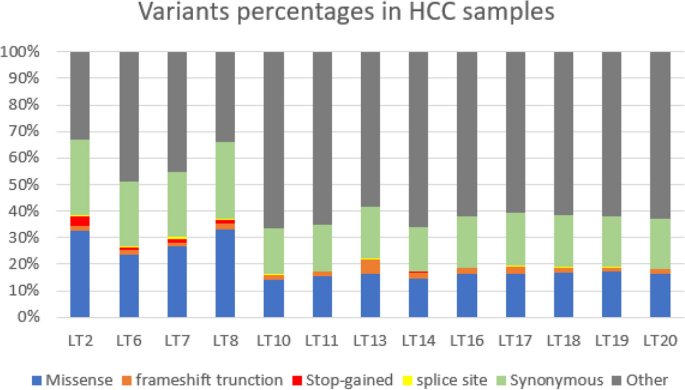
Genomic landscape of hepatocellular carcinoma in Egyptian patients by whole exome sequencing
Background: Hepatocellular carcinoma (HCC) is the most common primary liver cancer. Chronic hepatitis and liver cirrhosis lead to accumulation of genetic alterations driving HCC pathogenesis. This study is designed to explore genomic landscape of HCC in Egyptian patients by whole exome sequencing. Methods: Whole exome sequencing using Ion Torrent was done on 13 HCC patients, who underwent surgical intervention (7 patients underwent living donor liver transplantation (LDLT) and 6 patients had surgical resection}. Results: Mutational signature was mostly S1, S5, S6, and S12 in HCC. Analysis of
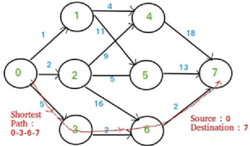
Comparison of Parallel and Serial Execution of Shortest Path Algorithms
Shortest Path Algorithms are an important set of algorithms in today's world. It has many applications like Traffic Consultation, Route Finding, and Network Design. It is essential for these applications to be fast and efficient as they mostly require real-Time execution. Sequential execution of shortest path algorithms for large graphs with many nodes is time-consuming. On the other hand, parallel execution can make these applications faster. In this paper, three popular shortest path algorithms-Dijkstra, Bellman-Ford, and Floyd Warshall-Are both implemented as serial and parallel programs
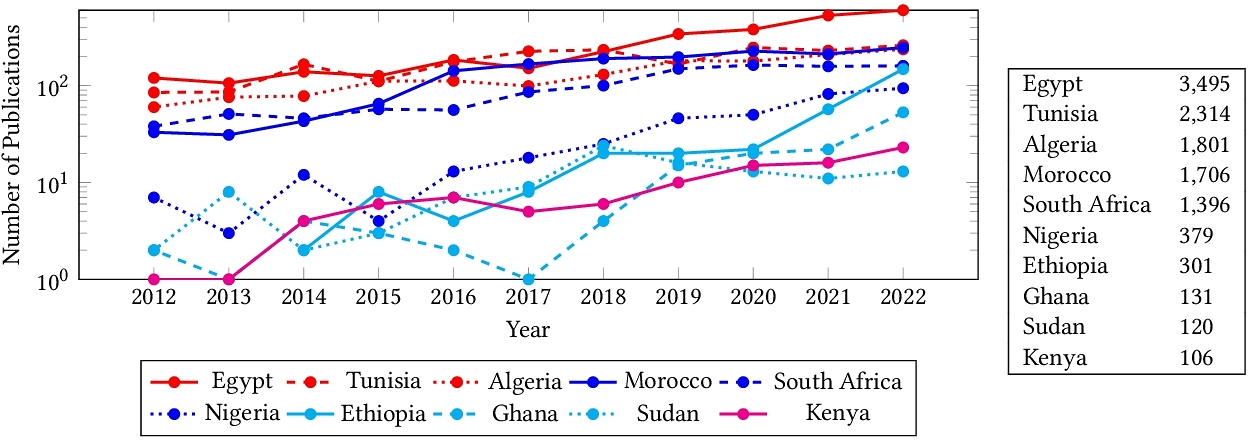
The State of Computer Vision Research in Africa
Despite significant efforts to democratize artificial intelligence (AI), computer vision which is a sub-field of AI, still lags in Africa. A significant factor to this, is the limited access to computing resources, datasets, and collaborations. As a result, Africa's contribution to top-tier publications in this field has only been 0.06% over the past decade. Towards improving the computer vision field and making it more accessible and inclusive, this study analyzes 63,000 Scopus-indexed computer vision publications from Africa. We utilize large language models to automatically parse their
Semi-Supervised Machine Learning Applications in RAN Design: Towards Data-Driven Next Generation Cellular Networks
The explosive growth of mobile internet services and demand for data connectivity boosts the innovation and development in Radio Access Network (RAN) to define how next generation mobile networks will look like. Continuous improvement in existing RAN is crucial to meet very strict speed and latency requirements by different mobile applications with minimum investments. Exploiting the advancement in Machine Learning and AI-driven algorithms is essential to tackle these challenges in different functions within the RAN domain. In this paper we surveyed how to leverage different clustering