
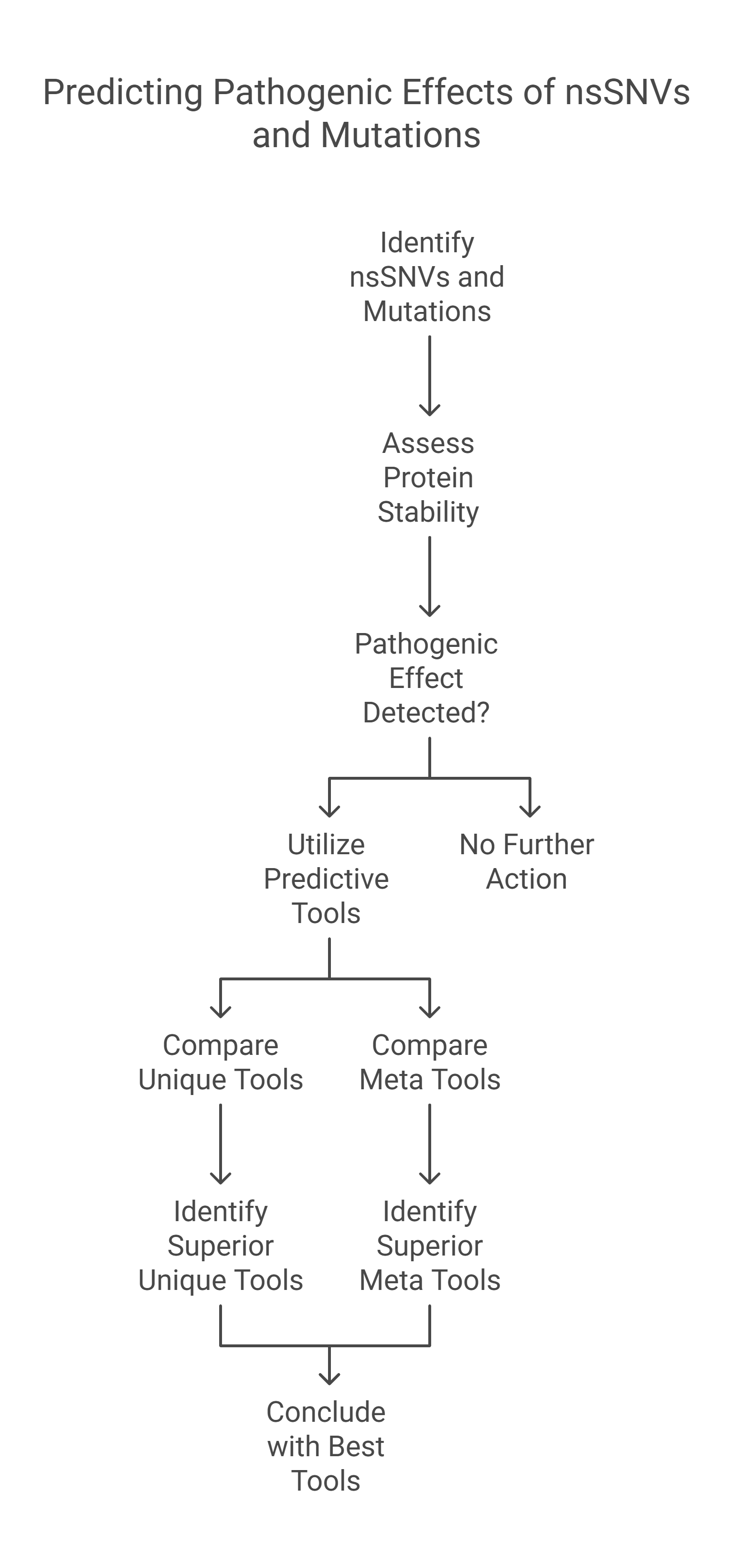
Predicting non-synonymous single nucleotide variants pathogenic effects in human diseases
Non-synonymous Single - Nucleotide Variants (nsSNVs) and mutations can create a diversity of the contrary influence of proteins like varying genotype and phenotype of any protein which affects its stability. The alterations in the protein stability may cause diseases. Detecting of nsSNVs and mutations can be a helpful tool in diagnosing diseases at an early stage. The study of singular and consensus tools for predicting pathogenic effects is very essential. Many studies utilized various predicting servers based on distinct Machine Learning Techniques (MLTs). In this research, we conduct a
Computational Intelligence for Medical Internet of Things (MIoT) Applications
Computational Intelligence for Medical Internet of Things (MIoT) Applications: Machine Intelligence Applications for IoT in Healthcare explores machine intelligence techniques necessary for effective MIoT research and practice, taking a practical approach for practitioners and students entering the field. This book investigates advanced concepts and applications in the MIoT field, guiding readers through emerging developments and future trends. A wide range of international authors guide readers through advanced concepts, including deep learning, neural network, and big data analytic
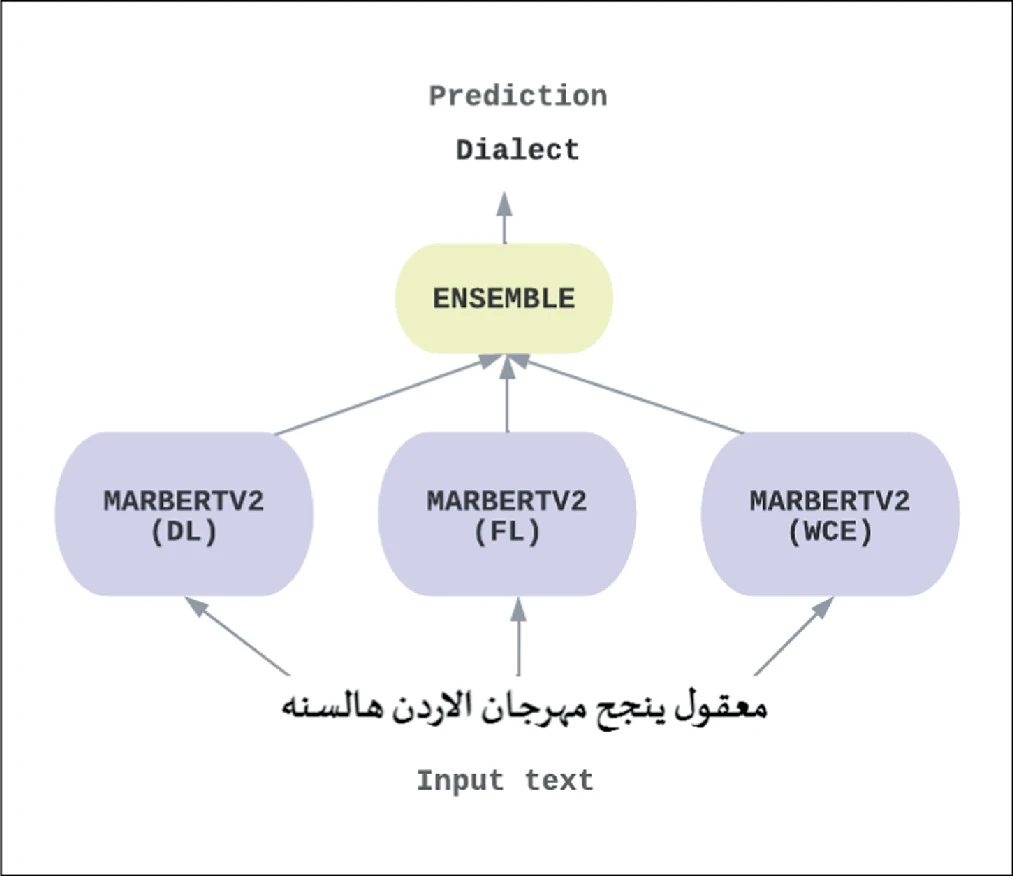
In the Identification of Arabic Dialects: A Loss Function Ensemble Learning Based-Approach
The automation of a system to accurately identify Arabic dialects many natural language processing tasks, including sentiment analysis, medical chatbots, Arabic speech recognition, machine translation, etc., will greatly benefit because it’s useful to understand the text’s dialect before performing different tasks to it. Different Arabic-speaking nations have adopted various dialects and writing systems. Most of the Arab countries understand modern standard Arabic (MSA), which is the native language of all other Arabic dialects. In this paper we propose a method for identifying Arabic dialects

Light-Weight Intelligent Egyptian Food Detector For Diabetes Management
Diabetic patients need a management tool that combines multiple features and tracks and views detailed data time-efficiently. Effective food logging is an important element of health monitoring. In this paper, we propose 'Suger.ly', a lightweight mobile application with artificial intelligence food recognition for diabetes management. The system has been trained to recognize 101 distinct types of food, with a focus on Egyptian cuisine. The app can then get nutritional value and insulin calculations. The results obtained from the Single-Shot multibox Detection (SSD) MobileNet-V1 food detection
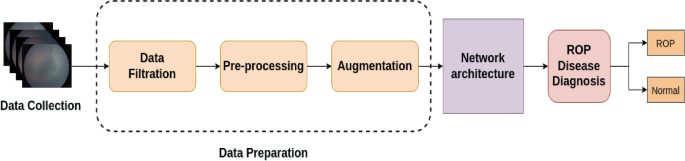
A Robust Deep Learning Detection Approach for Retinopathy of Prematurity
Retinal retinopathy of prematurity (ROP), an abnormal blood vessel formation, can occur in a baby who was born early or with a low birth weight. It is one of the primary causes of newborn blindness globally. Early detection of ROP is critical for slowing and stopping the progression of ROP-related vision impairment which leads to blindness. ROP is a relatively unknown condition, even among medical professionals. Due to this, the dataset for ROP is infrequently accessible and typically extremely unbalanced in terms of the ratio of negative to positive images and the ratio of each stage of it
COVID-19 Diagnosis from CT-images Using Transfer Learning
In symptomatic patients, a positive COVID-19 test is critical for securing life-saving services such as ICU care and ventilator support; it may cause septic shock, septic pneumonia, respiratory failure, heart difficulties, liver issues, and even death. CAD systems help people in rural places and doctors in the early detection of COVID-19. A diagnostic and severity detection technique utilizing transfer learning and a backpropagation neural network has been developed with the aid of a computer for this purpose. This study aims to compare and analyze multiple deep learning-enhanced strategies
Light-Weight Food Image Classification For Egyptian Cuisine
Food is an integral aspect of daily life in all cultures. It highly affects people's diets, eating behaviors, and overall health. People with poor eating habits are usually overweight or obese, which leads to chronic diseases such as diabetes and cardiovascular disease. Today, the classification of food images has several uses in managing medical conditions and dieting. Deep convolutional neural network (DCNN) architectures provide the foundation for the most recent food recognition models. However, DCNNs are computationally expensive due to high computation time and memory requirements. In
Feasibility Study of Using Predictive LTE Connection Selection from Multi-Operator for Teleoperated Vehicles
Service depending on good connection is growing and so its sensitivity, like Advanced Driver-Assistance System (ADAS). ADAS is the most common technological feature in the modern car, and the hope to reach a dependable anonymous car is the ultimate target. We (From end user and manufacture perspectives) are evaluating Teleoperated Driving as the most promising achievable feature to support emerging needs for traffic headache avoidance and health & safety cautions, with human to human sense & interaction proven to be better than Human to Machine in handling (Human driving vs. Machine driving)
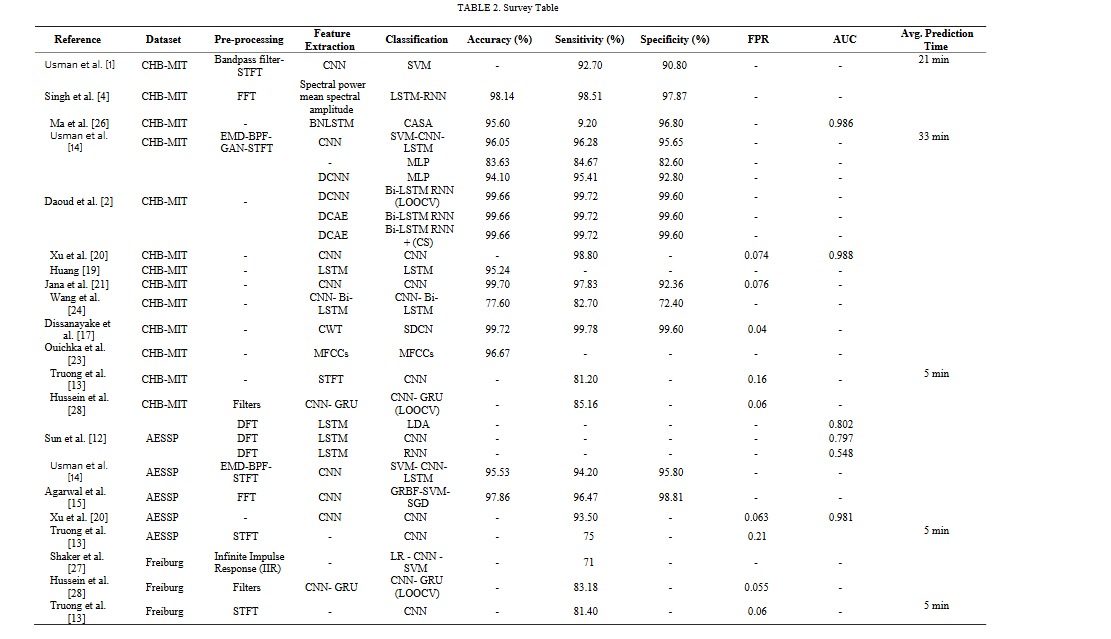
Deep Learning Approaches for Epileptic Seizure Prediction: A Review
Epilepsy is a chronic nervous disorder, which disturbs the normal daily routine of an epileptic patient due to sudden seizure onset that may cause loss of consciousness. Seizures are periods of aberrant brain activity patterns. Early prediction of an epileptic seizure is critical for those who suffer from it as it will give them time to prepare for an incoming seizure and alert anyone in their close circle of contacts to aid them. This has been an active field of study, powered by the decreasing cost of non-invasive electroencephalogram (EEG) collecting equipment and the rapid evolution of
Blockchain in Healthcare for Achieving Patients' Privacy
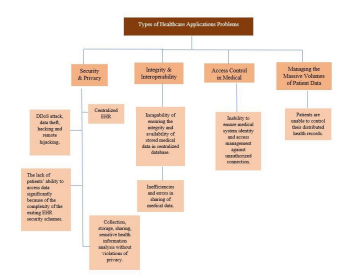
Heath data are sensitive and valuable for individuals. The patients need to integrate and manage their medical data continuously. Personal Health Record (PHR) is introduced as a solution for managing their health information. It gives patients ownership over their medical data and provides physicians with realignment data. However, it does not achieve reliability, traceability, trust, nor security of patient control. Centralization of any data is vulnerable to the problem of hacking and single failure in addition to control from one organization. So, the centralization of data is the common