
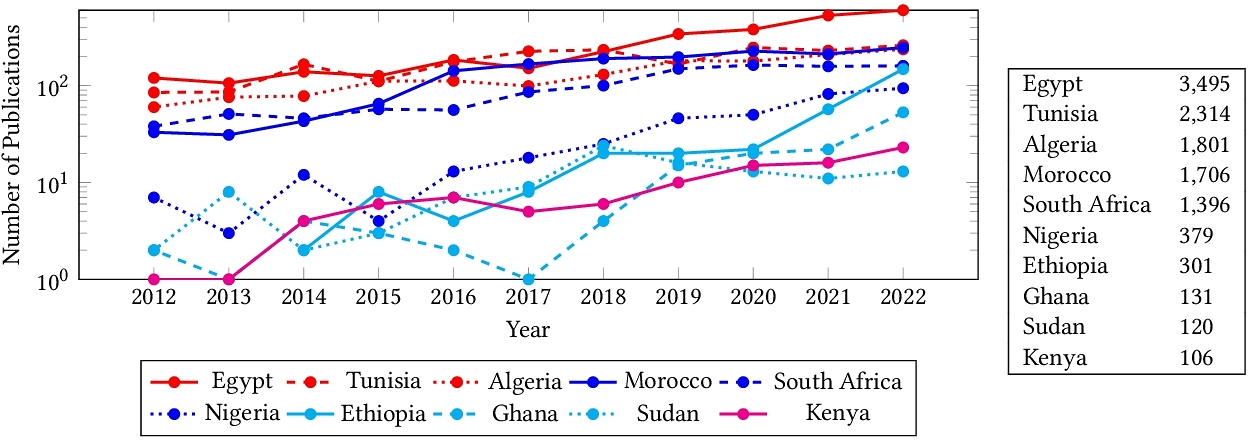
The State of Computer Vision Research in Africa
Despite significant efforts to democratize artificial intelligence (AI), computer vision which is a sub-field of AI, still lags in Africa. A significant factor to this, is the limited access to computing resources, datasets, and collaborations. As a result, Africa's contribution to top-tier publications in this field has only been 0.06% over the past decade. Towards improving the computer vision field and making it more accessible and inclusive, this study analyzes 63,000 Scopus-indexed computer vision publications from Africa. We utilize large language models to automatically parse their

DevSecOps: A Security Model for Infrastructure as Code over the Cloud
DevSecOps includes security practice while applying DevOps. DevSecOps help secure the whole DevOps process. This paper aims to define a DevSecOps module to be used by the infrastructure team while applying infrastructure as code. The proposed module solves the problem of security by including security practice with the DevOps cycle to reach DevSecOps. The module was tested to measure time effi-ciency. A small survey was created to test other DevSecOps metrics and enhance future work. © 2022 IEEE.
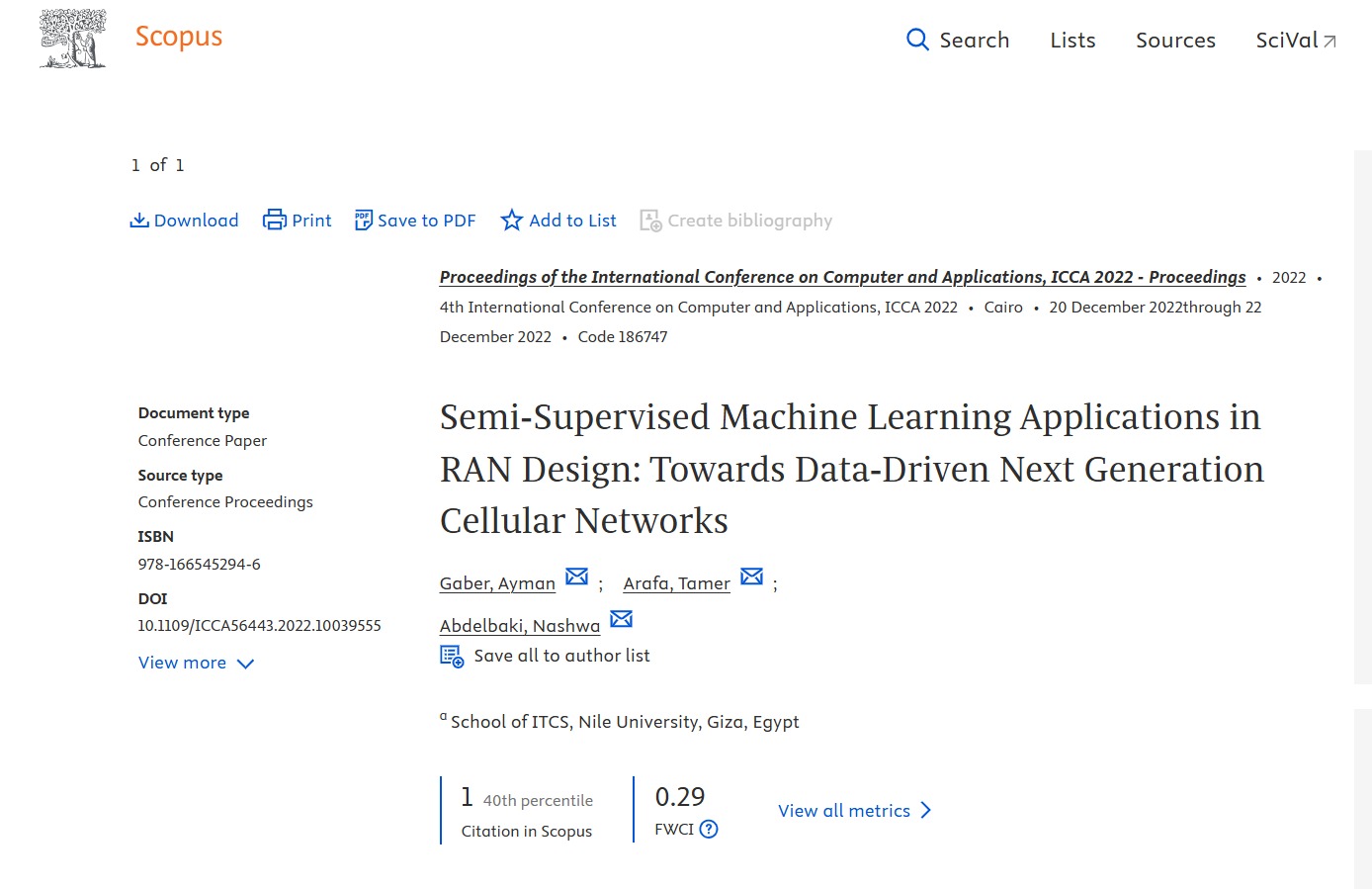
Semi-Supervised Machine Learning Applications in RAN Design: Towards Data-Driven Next Generation Cellular Networks
The explosive growth of mobile internet services and demand for data connectivity boosts the innovation and development in Radio Access Network (RAN) to define how next generation mobile networks will look like. Continuous improvement in existing RAN is crucial to meet very strict speed and latency requirements by different mobile applications with minimum investments. Exploiting the advancement in Machine Learning and AI-driven algorithms is essential to tackle these challenges in different functions within the RAN domain. In this paper we surveyed how to leverage different clustering

Immunoinformatics approach of epitope prediction for SARS-CoV-2
Background: The novel coronavirus (SARS-CoV-2) caused lethal infections worldwide during an unprecedented pandemic. Identification of the candidate viral epitopes is the first step in the design of vaccines against the viral infection. Several immunoinformatic approaches were employed to identify the SARS-CoV-2 epitopes that bind specifically with the major histocompatibility molecules class I (MHC-I). We utilized immunoinformatic tools to analyze the whole viral protein sequences, to identify the SARS-CoV-2 epitopes responsible for binding to the most frequent human leukocyte antigen (HLA)
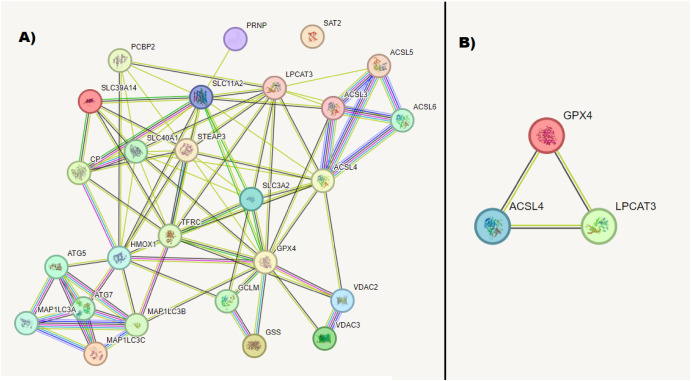
Innovative approaches to metabolic dysfunction-associated steatohepatitis diagnosis and stratification
The global rise in Metabolic dysfunction-associated steatotic liver disease (MASLD)/Metabolic dysfunction-associated steatohepatitis (MASH) highlights the urgent necessity for noninvasive biomarkers to detect these conditions early. To address this, we endeavored to construct a diagnostic model for MASLD/MASH using a combination of bioinformatics, molecular/biochemical data, and machine learning techniques. Initially, bioinformatics analysis was employed to identify RNA molecules associated with MASLD/MASH pathogenesis and enriched in ferroptosis and exophagy. This analysis unveiled specific
Advanced Phishing Detection in Ethereum Blockchain Transactions Using Machine Learning Models
Deceptive phishing attacks greatly endanger blockchain security, tricking miners into adding harmful blocks to the chain. Current methods of detection and agreement protocols are frequently not enough, especially if authorized miners accidentally include these blocks. Despite the potential for improving detection capabilities, the adoption of zero-trust policies is still restricted. This paper explores different machine learning techniques, like k-Nearest Neighbors (k-NN), Decision Trees (DT), Random Forest (RF), and XGBoost, to predict phishing attacks. It also evaluates feature selection

Vehicle to Pedestrian Systems: Survey, Challenges and Recent Trends
The accelerated rise of new technologies has reshaped the manufacturing industry of contemporary vehicles. Numerous technologies and applications have completely revolutionized the driving experience in terms of both safety and convenience. Although vehicles are now connected and equipped with a multitude of sensors and radars for collision avoidance, millions of people suffer serious accidents on the road, and unfortunately, the death rate is still on the rise. Collisions are still a dire reality for vehicles and pedestrians alike, which is why the improvement of collision prevention

Topic Modeling on Arabic Language Dataset: Comparative Study
Topic modeling automatically infers the hidden themes in a collection of documents. There are several developed techniques for topic modeling, which are broadly categorized into Algebraic, Probabilistic and Neural. In this paper, we use an Arabic dataset to experiment and compare six models (LDA, NMF, CTM, ETM, and two Bertopic variants). The comparison used evaluation metrics of topic coherence, diversity, and computational cost. The results show that among all the presented models, the neural BERTopic model with Roberta-based sentence transformer achieved the highest coherence score (0.1147)
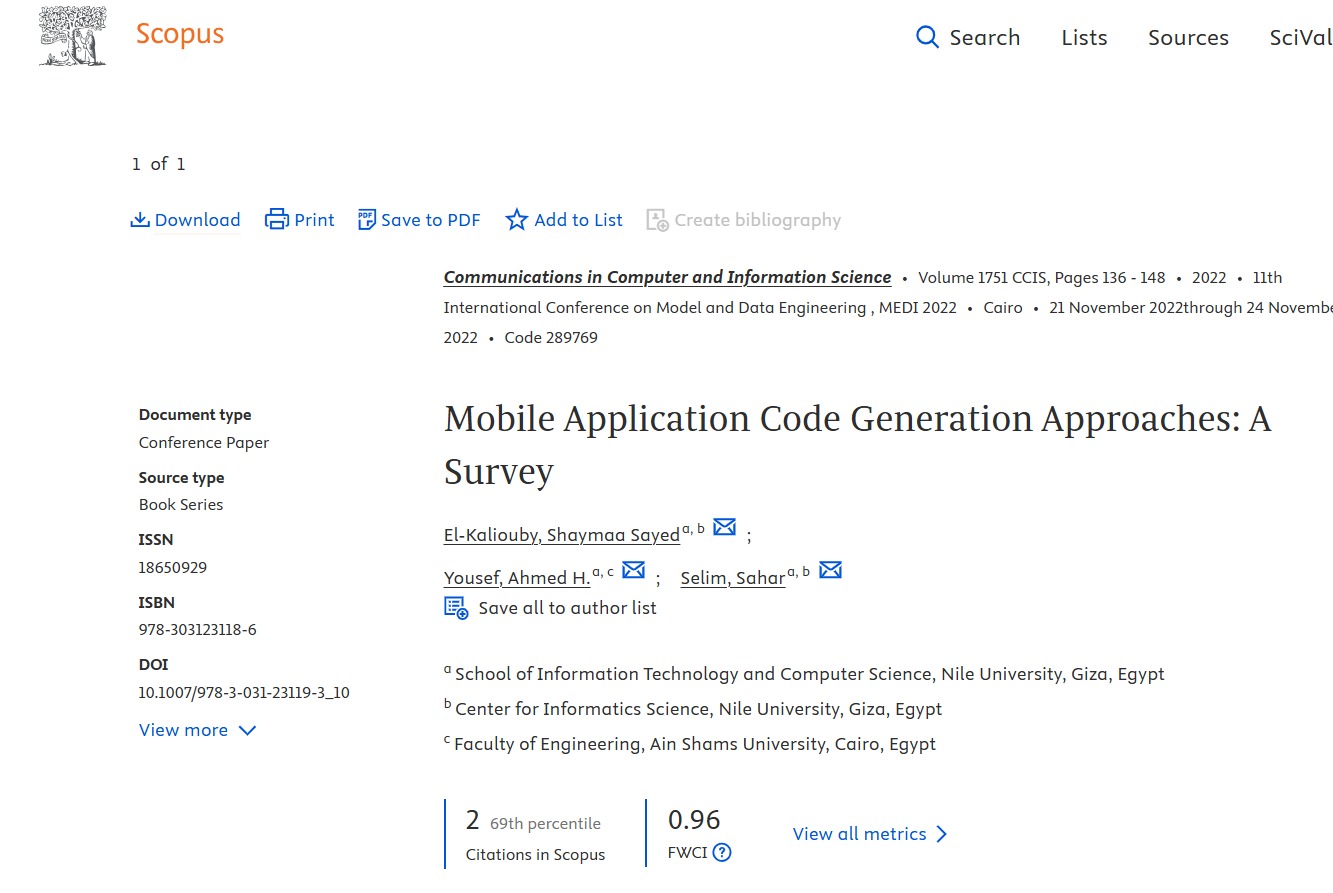
Mobile Application Code Generation Approaches: A Survey
With the extensive usage of mobile applications in daily life, it has become crucial for the companies of software to develop applications for the most popular platforms such as Android and iOS in the shortest possible time and at the lowest possible cost. However, ensuring consistent UIs and functionalities among cross-platform versions can be challenging and costly since different platforms have their own UI controls and programming languages. Also, when cross-platform tools are used, it is always time consuming to learn a new language. Many solutions were proposed to achieve the native
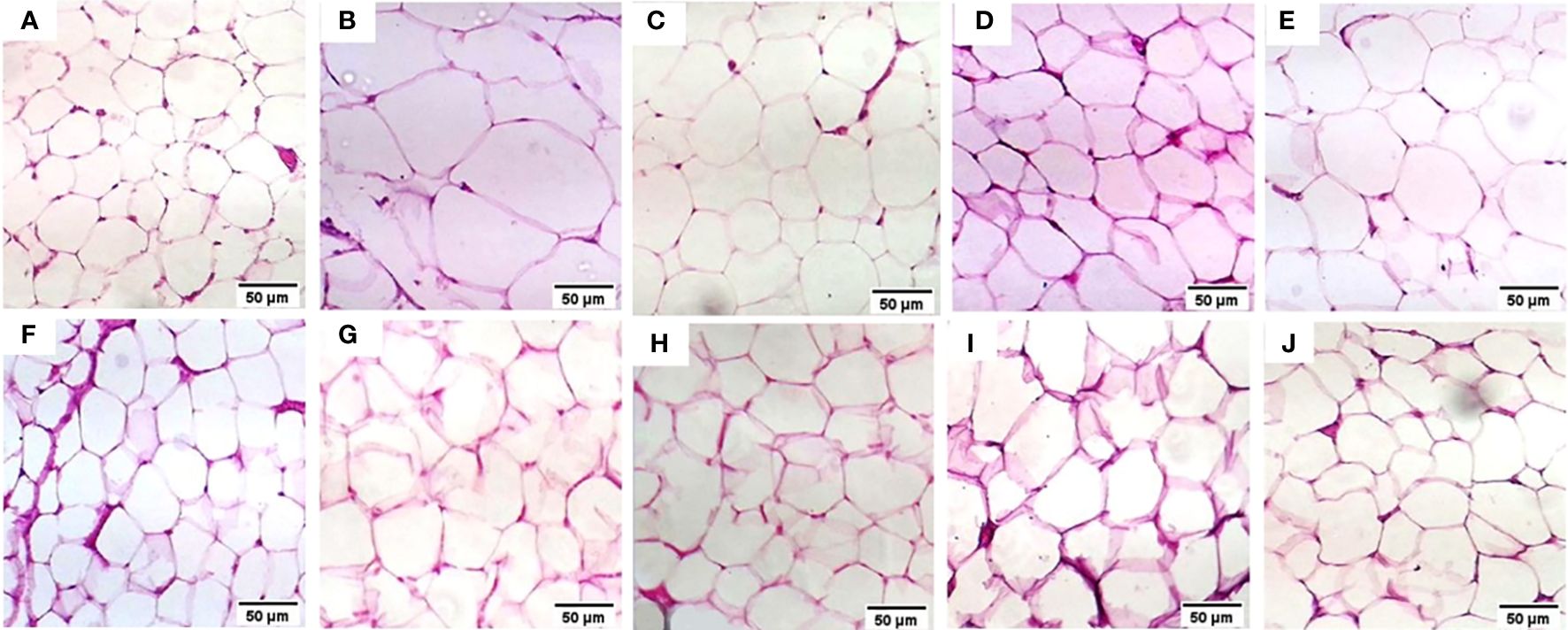
Comprehensive machine learning models for predicting therapeutic targets in type 2 diabetes utilizing molecular and biochemical features in rats
Introduction: With the increasing prevalence of type 2 diabetes mellitus (T2DM), there is an urgent need to discover effective therapeutic targets for this complex condition. Coding and non-coding RNAs, with traditional biochemical parameters, have shown promise as viable targets for therapy. Machine learning (ML) techniques have emerged as powerful tools for predicting drug responses. Method: In this study, we developed an ML-based model to identify the most influential features for drug response in the treatment of type 2 diabetes using three medicinal plant-based drugs (Rosavin, Caffeic